
 English
 Español
 中文简体
中文简体
Content
From household chores to commercial maintenance, a new bucket design promises a deeper clean by finally separating the mess from the solution.
By Home & Living Innovations
For generations, the humble mop and bucket have been a staple of cleaning routines worldwide. Yet, a fundamental flaw has persisted: the same water used to rinse the mop is often reused to clean the floor, spreading dirt and grime rather than removing it. A new wave of cleaning technology is addressing this age-old problem head-on, and it’s transforming a mundane task into a more hygienic and efficient process.
A Simple Idea, A Profound Impact
The core innovation lies in a seemingly obvious yet previously overlooked concept: physically separating clean water from dirty water. Traditional single-bucket systems inevitably create a muddy soup, where a mop, after wiping up spills and dirt, is dunked back into water that is no longer clean. This not only reduces cleaning effectiveness but can leave behind streaks, residues, and a film of bacteria.
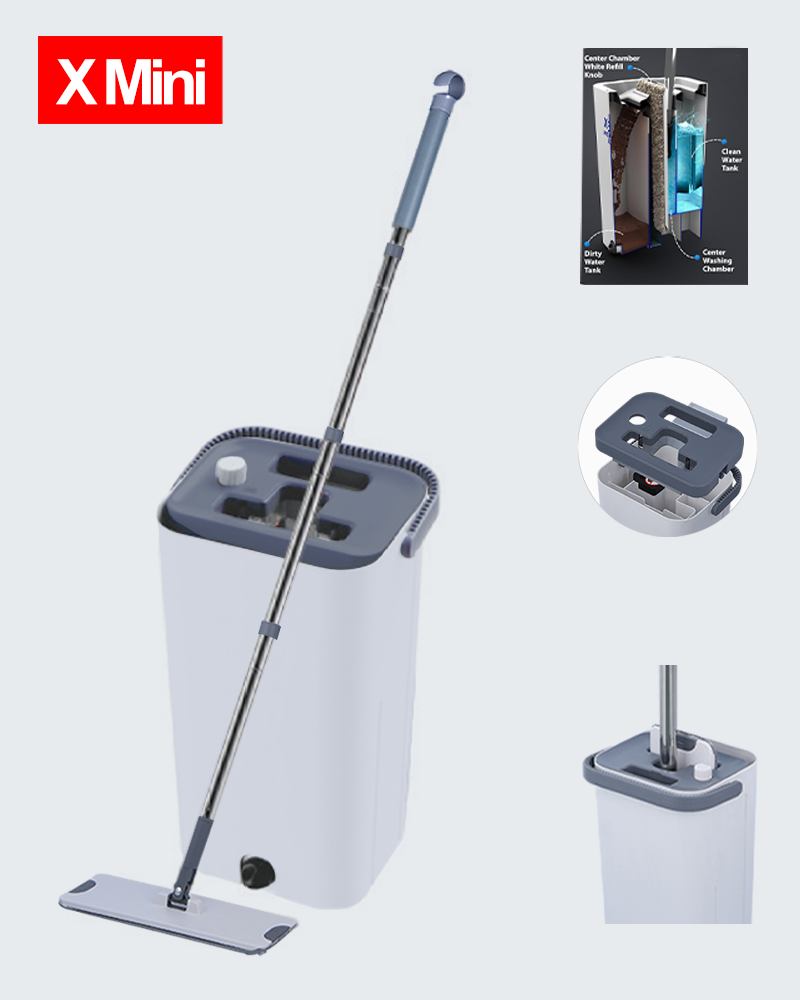
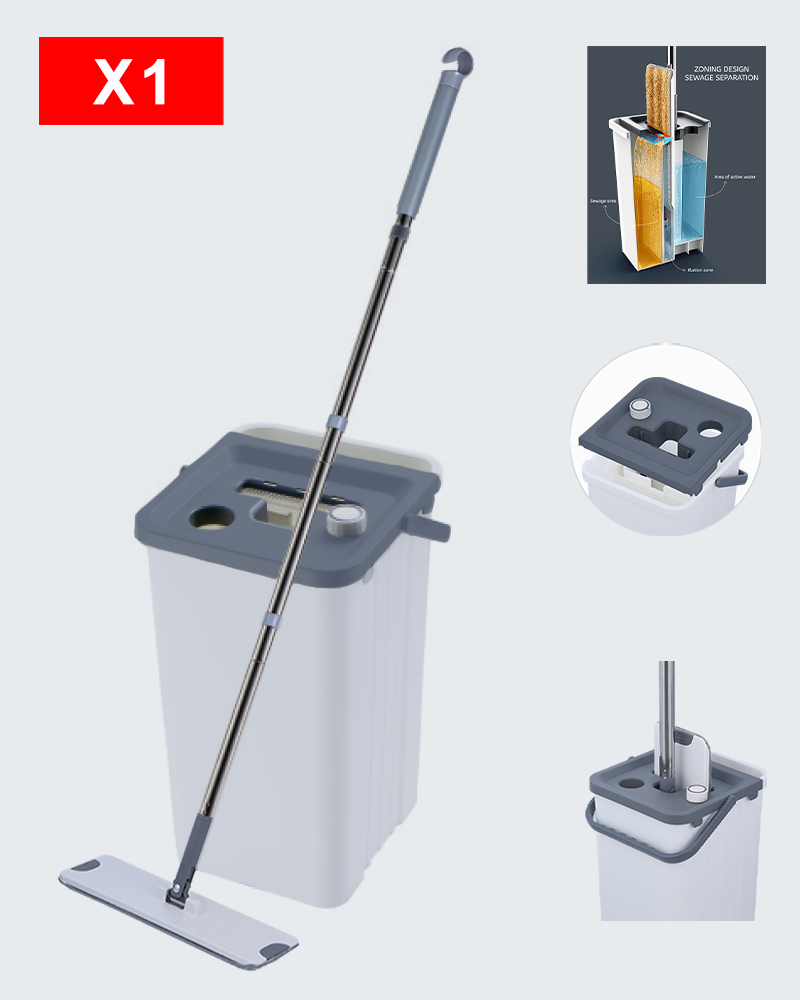
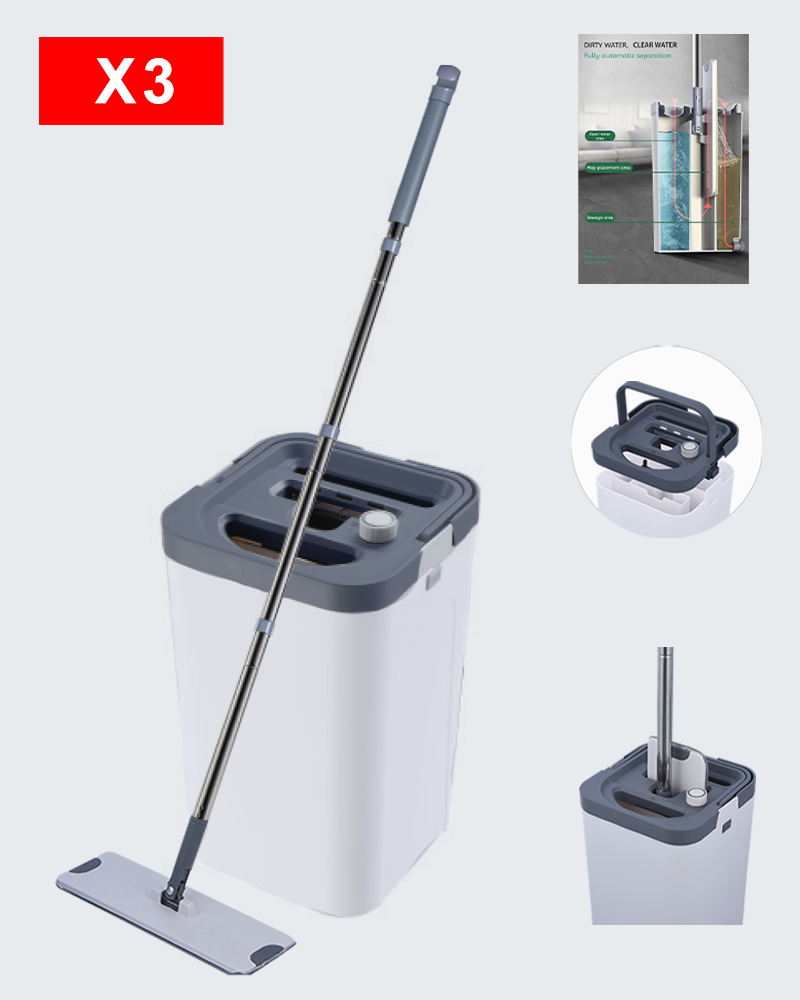
The latest solution is a dual-compartment system. One chamber holds a reserve of fresh, clean cleaning solution, while the other is designated solely for collecting the dirty water wrung from the mop. This physical barrier prevents cross-contamination, ensuring that every time the mop is dipped, it is infused with fresh solution. The result is a consistently more powerful clean from the first swipe to the last, with no risk of re-depositing yesterday’s dirt.
Precision Control for Demanding Jobs
Beyond the separation, advanced models offer independent management of each zone. This dual-control functionality allows users to handle the clean and dirty sections with tailored actions. Wringing out the mop becomes a contained, mess-free operation directed solely into the waste compartment, while accessing the clean water remains a separate, sanitary step.
This level of control is particularly transformative for larger spaces or commercial settings. Janitorial staff in offices, schools, or clinics can maintain a high standard of hygiene throughout the entire cleaning session without needing to stop and change water repeatedly. For homeowners, it means effectively cleaning an entire floor—from a muddy kitchen to a dusty living room—with one consistent batch of clean solution.
Engineered for the Real World
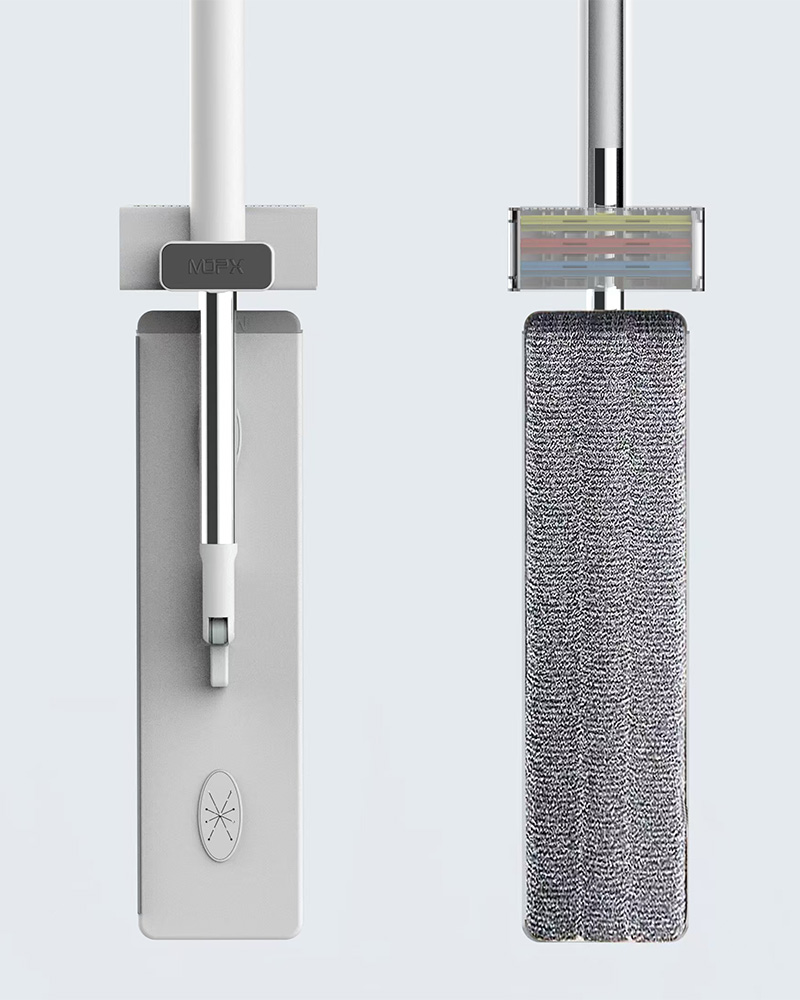
This innovation isn’t just about smart compartments; it’s built into the entire user experience. The buckets are typically constructed from robust, impact-resistant materials designed to withstand frequent use. The accompanying mop often features a 360-degree rotating head that pivots effortlessly to reach under furniture and into tight corners, eliminating the need for arduous back-and-forth motion.
An ergonomic, lightweight handle reduces strain on the wrists and back, making the chore less physically taxing. Furthermore, a built-in, often foot-operated wringing mechanism provides powerful squeezing with minimal effort and keeps hands dry and away from the wastewater. The entire Dual Zone Dual Control Dirty Water Separation Mop Bucket Set is designed to be a versatile workhorse, capable of handling everything from deep wet-washes on tile to damp mopping on delicate hardwood floors.
Why This Matters Now
The heightened global focus on hygiene and health has made people more conscious of cleaning practices. The idea of cleaning with dirty water is no longer just inefficient—it’s seen as counterproductive to a healthy living environment. This technology directly responds to that concern, offering a tangible upgrade that makes a visible difference.
It also speaks to a desire for efficiency and value. By maximizing the utility of cleaning solution and minimizing time spent emptying and refilling buckets, it turns a time-consuming chore into a quicker, more streamlined task. The promise is a superior clean achieved with less physical effort and fewer resources.
The Bottom Line
This isn't merely a new mop; it's a re-engineering of a basic tool for the modern era. By solving the fundamental problem of cross-contamination, it elevates the standard of what it means to truly clean a floor. For anyone frustrated with streaks, the strain of wringing, or the feeling of just moving dirt around, this two-zone system represents a significant leap forward. It proves that even the most everyday tools have room for innovation, turning a routine chore into a more sanitary, effective, and altogether smarter process.