
 English
 Español
 中文简体
中文简体
Content
A flat mop is the better choice for everyday cleaning across multiple floor types, mixed spaces, and budget-conscious users. A steam mop is better when deep sanitization and chemical-free cleaning are the priority — particularly for households with young children, pets, or allergy sufferers. Neither is universally superior; the right choice depends on your floor type, cleaning frequency, health requirements, and budget.
Understanding the specific strengths and limitations of each helps make the decision straightforward.
What a Flat Mop Does Well
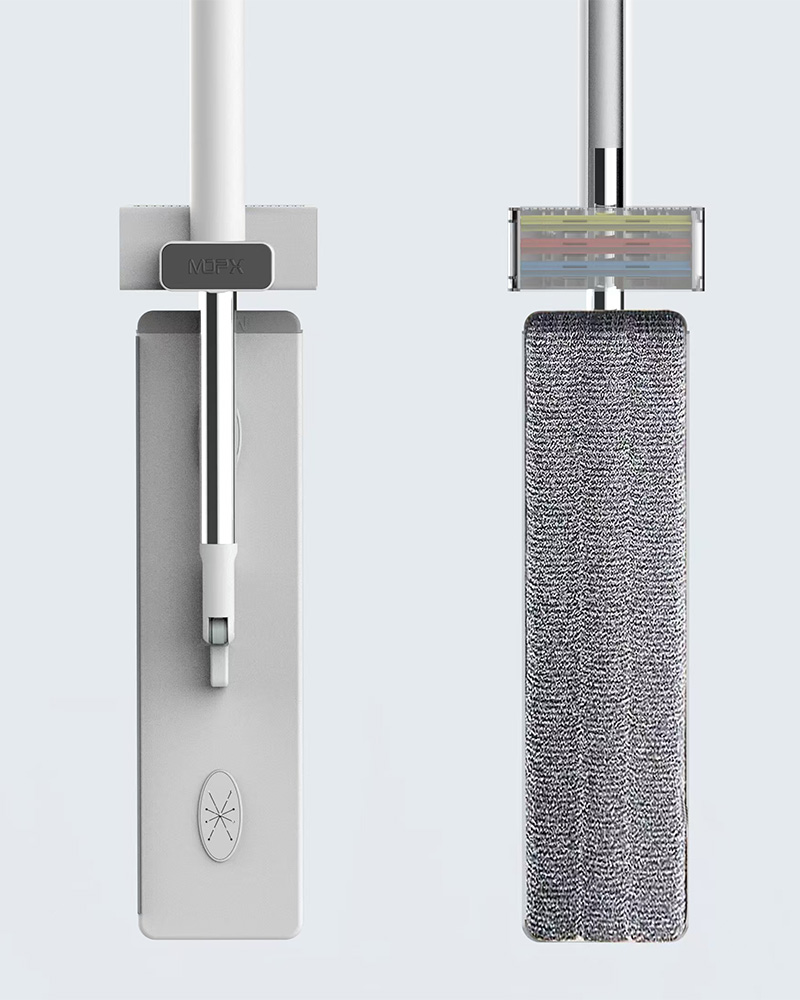
A flat mop features a flat, wide mop head — typically 40–60 cm wide — that maximizes floor contact in a single pass and moves efficiently under furniture and into corners. The flat head design enables faster coverage of large areas compared to traditional string mops or smaller round mop heads.
- Wide coverage and efficiency: The large flat head covers more floor per stroke, reducing the total number of passes needed to clean a room. A 50 cm flat mop head can clean a 20 m² room in 3–5 minutes with practiced technique.
- Versatility across floor types: Flat mops work effectively on hardwood, laminate, tile, vinyl, stone, and low-pile carpet, making them suitable for homes and offices with mixed flooring types
- Easy cloth replacement: The two-button release design on quality flat mops allows the cleaning pad to be removed and replaced in seconds without touching the soiled cloth, improving hygiene during cleaning
- Low purchase and running cost: A flat mop costs €10–40 and replacement microfiber pads cost €2–5 each; pads are machine washable and reusable for hundreds of cycles
- No warm-up time: Ready to use immediately without waiting for water to heat or pressure to build
What a Steam Mop Does Well
A steam mop heats water to produce steam that is ejected through the mop pad at temperatures typically between 100°C and 120°C. This high-temperature steam lifts grease, dissolves dried residues, and kills bacteria and dust mites without requiring chemical cleaning agents.
- Chemical-free sanitization: Steam at 100°C kills 99.9% of common household bacteria including E. coli and Salmonella on hard surface contact within seconds, without any detergent — beneficial for households avoiding chemical residues
- Dust mite elimination: Heat above 55°C kills dust mites on contact; steam mops are particularly recommended for allergy and asthma sufferers who are sensitive to dust mite allergens in floor surfaces
- Grease and residue removal: Steam penetrates and softens dried food spills, grease, and adhesive residue more effectively than a cold damp flat mop, reducing the scrubbing effort required
- Fast drying: Steam evaporates quickly, leaving floors dry within 1–2 minutes — faster than wet mopping with a flat mop using diluted cleaning solution
Head-to-Head Comparison
| Factor | Flat Mop | Steam Mop |
|---|---|---|
| Purchase cost | €10–40 | €40–150+ |
| Ready-to-use time | Immediate | 20–40 seconds warm-up |
| Sanitization | With cleaning agent added | Chemical-free; kills bacteria via heat |
| Floor type suitability | All types including carpet | Hard floors only; damages hardwood if used wet |
| Moisture left on floor | Moderate (depends on pad wetness) | Very low (steam evaporates quickly) |
| Cleaning chemicals needed | Optional but beneficial | None — water only |
| Energy consumption | None (no power required) | 1,000–1,800 W during use |
| Weight | 0.5–1.5 kg | 1.5–3.5 kg |
Floor Type Compatibility: A Critical Deciding Factor
Steam mops are not suitable for all floor types. The high moisture and heat output can damage certain surfaces:
- Unsealed hardwood: Steam penetrates the grain and can cause warping, swelling, and finish damage — do not use a steam mop on unsealed wood
- Laminate flooring: Most laminate is water-sensitive; repeated steam mopping can cause seams to swell and bubble — check the manufacturer's care instructions before using a steam mop
- Tile and stone: Steam mops work excellently on glazed tile and most sealed stone; avoid on porous unsealed natural stone that can absorb moisture and develop staining
- Vinyl and LVT: Generally compatible with steam mopping if not excessively wet; check flooring specifications
Flat mops, used with a lightly dampened pad and appropriate cleaning solution, are safe for all of the above floor types including unsealed hardwood — giving them broader compatibility for homes with mixed flooring.
Recommendation by Use Case
- Daily maintenance cleaning of mixed floor types: Flat mop — faster, more versatile, no power needed
- Household with young children or pets on tile/sealed stone: Steam mop — chemical-free sanitization reduces exposure to cleaning agent residues
- Home with hardwood floors throughout: Flat mop — steam poses too much risk to wood finishes
- Allergy or asthma household with tile/stone floors: Steam mop — superior dust mite elimination and no chemical allergens in cleaning agents
- Large commercial or office spaces: Flat mop — lower cost, no electrical dependency, quicker overall cycle for large areas