
 English
 Español
 中文简体
中文简体
Content
When a 400gsm microfiber towel reaches your hand, the most obvious feature is its density. The fabric feels substantial, plush, and noticeably heavier than a standard cloth. That density is not cosmetic. It determines how much water the towel picks up, how well it traps dirt, and how many laundering cycles it can survive before performance starts to fade. For buyers comparing cleaning cloths, mop pads, and detailing towels, the 400gsm specification settles most debates.
The short version is this: 400gsm is the best all-round weight for wet cleaning. It absorbs more water than lighter towels, holds a stable shape during use, and still dries fast enough for daily rotation. Below this weight, towels feel thin and leave streaks. Above it, they become heavy, slow to dry, and noticeably more expensive per piece.
What Does 400gsm Actually Mean?
GSM stands for grams per square meter. A 400gsm microfiber towel is a fabric in which one square meter of material weighs 400 grams. To measure this, a mill cuts a sample of precise dimensions, weighs it on a calibrated scale, and converts the result to the standard reference area. The number by itself does not tell you the fiber blend or the weave pattern, but in microfiber manufacturing a higher GSM normally means a denser pile and a thicker towel.
Typical microfiber cloths cover a wide range. Light polishing cloths sit near 200 to 250gsm. General household towels usually fall in the 300 to 400gsm band. Professional cleaning and automotive detailing towels are commonly 400 to 500gsm. The table below summarizes these levels and their usual roles.
| Fabric weight | Pile density | Absorbency | Typical use |
|---|---|---|---|
| 200 to 250gsm | Low | Moderate | Dusting and glass wiping |
| 300 to 350gsm | Medium | Good | General household cleaning |
| 400 to 450gsm | High | Very good | Wet cleaning, mopping, detailing |
| 500 to 600gsm | Very high | Excellent | Heavy drying and buffing |
The practical takeaway is that 400gsm sits in the middle of this spectrum. It is heavy enough to hold a large volume of water but light enough to rinse out quickly. For buyers who need one specification for multiple tasks, 400gsm is the safest starting point.
Weight Versus Performance: What the Extra Grams Buy You
Absorbency is the first performance attribute that changes with fabric weight. In textile testing, a dried sample is soaked for 60 seconds, drained for a set time, and weighed again. A 400gsm towel absorbs about 35 percent more water than a 300gsm towel of the same blend. The chart below shows typical water pickup values per square meter.
Water Absorption by Fabric Weight
Typical water pickup values per square meter of fabric.
Water pickup rises as fabric weight increases, but the gain is not linear. Moving from 300 to 400gsm adds a large jump in absorbency, which is why 400gsm feels like a clear upgrade in daily use. Moving from 500 to 600gsm adds a much smaller gain, because the fiber spaces become saturated and the deeper pile starts to trap air. Heavier towels also need more water to rinse clean, and they take longer to dry between uses. For a cleaning operation that rotates towels through a laundry cycle, the difference in drying time affects how many towels you need to buy. This is why 400gsm delivers the best return on cost per liter of water absorbed.
Fabric weight also affects dirt retention. Dense microfiber strands create thousands of narrow spaces between fibers, and those spaces capture dust, grease, and bacteria. A 400gsm pile holds particles inside the fabric instead of pushing them across the surface. That is the main reason heavier towels streak less on glass and leave floors drier after mopping.
Fiber Composition: Why 400gsm Is Not Enough on Its Own
Fabric weight is only half of the specification. Microfiber is a blend of polyester and polyamide, normally in a 70 to 30 or 80 to 20 ratio. Polyester provides body and abrasion resistance. Polyamide is the absorbent partner, because it can take up moisture many times its own weight. When the two materials are split during production, each strand develops a wedge-shaped cross section with micro-channels that pull water into the fabric by capillary action.
A genuine 400gsm towel must contain a meaningful share of polyamide. If a supplier lowers the polyamide ratio to cut cost, the towel loses absorbency even though the fabric still weighs 400 grams. Weight tells you how much material is there, while the blend ratio tells you how well that material performs. Ask for the blend ratio in writing on every purchase order.
This detail directly affects cleaning results. As discussed in our article on why the choice of fiber material in flat mops directly affects disinfection efficiency, a towel that cannot trap particles will simply push contamination around. The same rule applies to hand towels and mop pads: split fibers, a correct blend, and sufficient pile density are what make a surface visibly cleaner.
Performance Profile: 400gsm Versus 300gsm
Ratings from zero (low) to 100 (high) based on typical product behavior.
The radar profile compares a 400gsm towel with a 300gsm towel across five attributes. Absorbency is the biggest gap, followed by durability. The 400gsm towel also resists lint better because the denser pile holds individual fibers in place. The only attribute where 300gsm wins is drying speed, because a lighter towel loses moisture faster after wringing. For buyers serving wet-cleaning tasks, the trade-off strongly favors 400gsm. For glass cleaning or light dusting, a 300gsm towel may still be the better specialty tool.
Durability: How Long Does a 400gsm Towel Stay Effective?
Laundering is the main cause of microfiber performance loss. High heat, fabric softener, and chlorine bleach attack the split fibers, closing the micro-channels and reducing absorbency. The chart below shows absorbency retention for a well-constructed 400gsm towel and a standard 300gsm towel over 100 industrial washing cycles.
Absorbency Retention After Repeated Washing
Retention values are relative to the original absorbency of each towel.
The two lines start at different points because the 400gsm towel begins with higher absorbency. After 25 washes, the lighter towel has already lost 12 percent of its water pickup, while the heavier one has lost only 4 percent. The gap widens after 60 washes, when the 300gsm towel drops below 80 percent of its original performance while the 400gsm towel still retains 93 percent. The dense pile protects the fiber structure during mechanical agitation because the outer fibers take most of the friction. By cycle 100, the 400gsm towel remains fully usable, while the lighter towel is noticeably less effective. For a cleaning business, that difference translates directly into replacement cost and labor time.
To protect a 400gsm towel, wash it at or below 40 degrees Celsius. Avoid chlorine bleach completely and never use fabric softener. Air drying or low-heat tumble drying keeps the split fibers open, and in industrial settings a neutral detergent extends usable life to 150 cycles or more.
Flat Mop Pads: Where 400gsm Meets the Floor
Flat mop pads are essentially large-format microfiber towels. In a flat mop system, the pad must spread water evenly, trap dirt inside the pile, and release that dirt when rinsed. A 400gsm pad does all three better than lighter pads. It carries more cleaning solution into contact with the floor, so you can cover a larger area before the pad goes dry. The dense pile also protects wood, vinyl, and ceramic finishes from scratching.
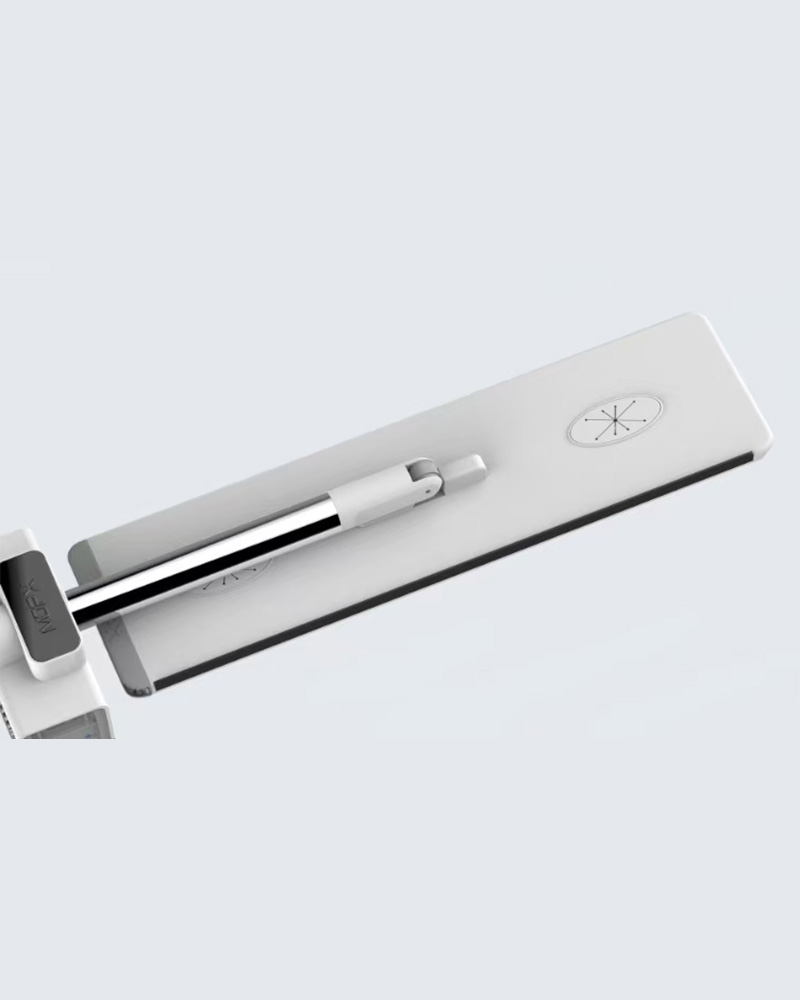 400gsm Flat Mop Pad for Even Water DistributionThis flat mop uses a dense 400gsm pad that spreads water evenly, traps dirt, and resists edge wear. Its 360-degree head and dual-compartment design suit residential and commercial floor care.View Product →
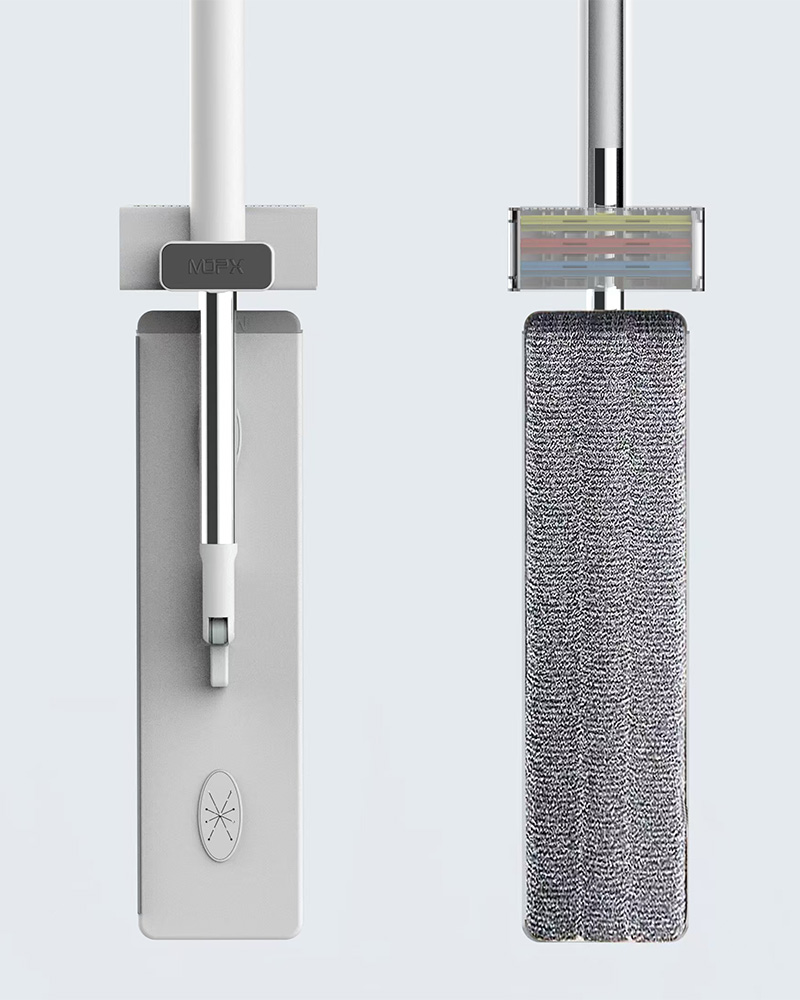
On a MOP X flat mop, the pad is fixed around a rectangular base plate and can be removed for washing. The same GSM logic applies: a heavier pad stays effective longer and resists edge wear after months of use. When you wring a dense 400gsm pad over a bucket, the water flows out in a steady sheet rather than dripping unevenly, which keeps the floor finish more even.
Washing the pad is the second half of the system. A wet pad is useless if you refill the bucket with the same dirty water. A cleaning separation bucket set stores clean water and dirty water in separate chambers, so the pad is always rinsed with fresh water. On large floor areas, the 400gsm weight pays off immediately: you spend more time cleaning and less time wringing a saturated pad.
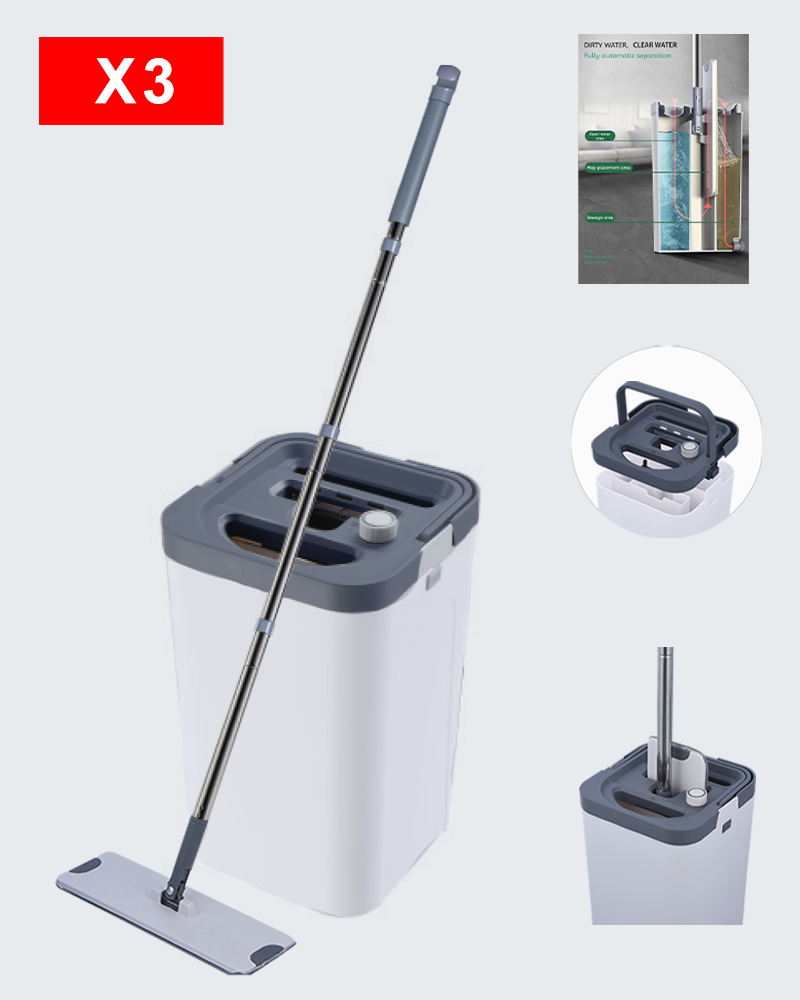
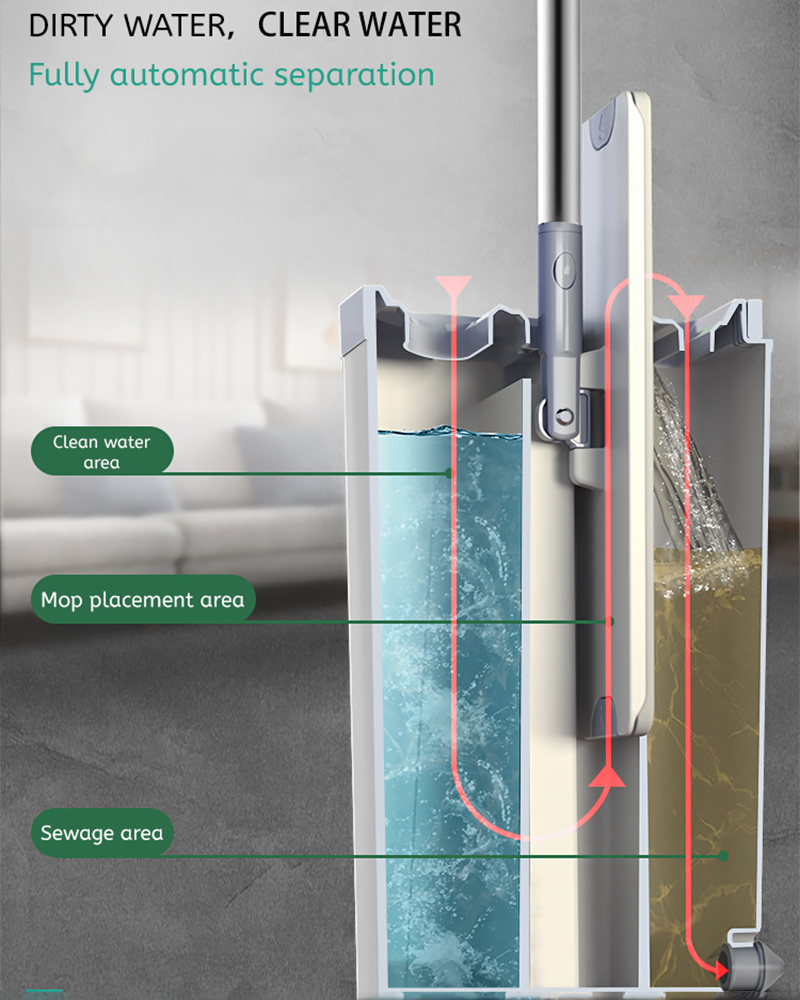 MOP X3 Separation Bucket Set with Flat MopThis bucket set separates clean and dirty water into three compartments, ensuring fresh rinsing for dense pads. It includes a 360-degree flat mop and a user-friendly wringing mechanism for efficient cleaning.View Product →
The MOP X3 cleaning separation flat mop bucket set is a good example of this design. Its dual basin structure forces the pad to squeeze out dirty water before it picks up clean water, which is exactly what a 400gsm pad needs to maintain performance over an entire cleaning session.
Buying Checklist for 400gsm Microfiber Towels
Physical inspection is as important as the specification sheet. Run your hand across the fabric; a real 400gsm pile feels dense and even, without thin patches near the edges. Check the border stitching; double-needle lockstitch with a visible hem survives industrial laundering, while a raw-cut edge starts to shed fibers within ten washes. Turn the towel in natural light, because low-grade microfibers show pilling after a few rubs. Ask for the exact polyamide ratio and the final measured GSM, since some suppliers quote a nominal value and ship a lighter product. A tolerance of plus or minus 20 grams is typical, and anything wider means the manufacturing process is inconsistent.
Microfiber Towel Thickness by Fabric Weight
Approximate pile thickness readings from production lots.
Thickness is the physical result of fabric weight, and it affects how a towel feels in the hand and how it behaves under pressure. A 300gsm microfiber towel measures close to one millimeter and compresses easily, which limits its scrubbing power on textured surfaces. A 400gsm towel reaches about 1.15 millimeters and keeps more cushion when you press down. Beyond 500gsm, the additional thickness starts to reduce flexibility, making the towel stiffer and harder to wring. The values shown are typical ranges from production lots, and individual mills can vary by 0.1 millimeter. For most floor and surface cleaning tasks, the 400 to 500gsm band provides the best balance of cushion, absorbency, and hand feel.
For a company that manufactures cleaning tools in volume, the 400gsm specification is a reliable benchmark for value and performance. It is heavy enough to satisfy professional expectations, yet affordable enough to use in large quantities. Whether you are choosing loose towels for a maintenance team or evaluating mop pads for a new flat mop line, start with 400gsm as your baseline and test from there.
For sourcing support, we are a flat mop manufacturer with our own microfiber pad cutting, bucket molding, and assembly lines. We offer OEM and ODM services for brands and distributors, and we are happy to send samples so you can verify the GSM yourself before placing an order.