
 English
 Español
 中文简体

Content
- 1 What an Absorbent Cleaning Cloth Must Do on a Flat Mop
- 2 Common Absorbent Cloth Materials and Sourcing Trade-offs
- 3 Why Construction Details Matter as Much as Fiber
- 4 Matching the Cloth to the Mop Head and Bucket System
- 5 A Practical Sourcing Checklist for Absorbent Cleaning Cloths
- 6 What Good Performance Looks Like in a Buyer Trial
- 7 Choosing the Right Cloth Starts With the Full Cleaning System
A plush pad can feel impressive in a showroom and still fail in a real mop bucket. The best absorbent cleaning cloth is not the thickest one. It is the one that lifts soil, holds enough water for the floor area, releases soil in the rinse, and keeps its shape after repeated washing. Buyers who judge only by softness often end up with pads that drag, streak, or develop odor before the claimed wash life is over.
For OEM and ODM buyers, the absorbent cleaning cloth is part of a cleaning system, not a commodity accessory. It has to fit the mop head, work with the wringer, survive the rinse routine, and meet the expectations of the retail channel that will sell it.
What an Absorbent Cleaning Cloth Must Do on a Flat Mop
Absorbency is only one job. A flat mop pad also has to transport water, trap soil, release soil during washing, and dry without becoming a bacterial reservoir. Those jobs pull in different directions. A cloth that holds water too tightly may leave the floor wet and be hard to rinse. A cloth that releases water too easily may spread dirty water back across the floor.
The balance depends on fiber type, yarn structure, cloth weight, backing, and edge finish. Split microfiber, for example, creates fine spaces that pick up grease and fine dust, but the split level and rinse behavior matter as much as the fiber content. The choice of fiber also affects how the pad performs after repeated washing and how well it supports hygiene claims. Buyers can review the relationship between fiber choice and disinfection efficiency before locking a specification.
Common Absorbent Cloth Materials and Sourcing Trade-offs
No single cloth material is best for every flat mop program. The right choice depends on whether the product is positioned for everyday household cleaning, heavy soil pickup, low-lint finishing, or disposable or semi-durable use. The table below summarizes common options and the checks that matter during sampling.
| Material option | Typical strength | Rinse and release behavior | Buyer check |
|---|---|---|---|
| Split microfiber | High fine dust and grease pickup with good floor contact | Can release soil well when the split structure and rinse volume are matched | Check fiber split, colorfastness, and pickup after repeated washing |
| Cotton or cotton blend | Familiar absorbency and a soft hand feel | Holds water well but may dry slowly and release soil less freely | Check shrinkage, wet strength, and odor control after damp storage |
| Nonwoven blend | Consistent weight and lower cost for semi-durable or disposable pads | Rinse behavior varies widely by binder and web structure | Check wet strength, pilling, and lint on dark floors |
| PVA chamois | Very high water uptake when damp and low lint | Releases water readily but needs controlled drying | Check stiffness when dry, storage instructions, and crack resistance |
| Loop or terry microfiber | Strong mechanical action for scuffs and textured floors | Loops can trap debris, so rinse design becomes critical | Check backing adhesion, loop pull, and soil removal after rinse |
Why Construction Details Matter as Much as Fiber
Two pads can use the same fiber blend and still perform differently. Weight per square meter changes water retention and floor contact. A heavier cloth usually holds more water, but it can also slow drying, increase drag, and make wringing harder. Thickness affects how the pad sits in the mop head and how the wringer grips it.
Set measurable tolerances before production. A practical discussion with a supplier should cover the following points:
- Weight per square meter, with a clear test method and a tolerance such as plus or minus 5 percent.
- Cut length, width, and thickness, because a 2 millimeter length variance or a 1 millimeter thickness variance can change fit and wringing.
- Backing adhesion after at least 50 wash cycles, since peeling or curling ends the usable life of the pad.
- Edge finish, whether overlock, ultrasonic, or binding, with a check for fraying after abrasion and washing.
- Colorfastness and dimensional stability, especially when the pad will be sold in light colors or used with bleach-free cleaners.
Matching the Cloth to the Mop Head and Bucket System
The absorbent cleaning cloth cannot be evaluated in isolation. A pad that feels excellent by hand may perform poorly if the mop head applies uneven pressure or the wringer leaves too much water. The mop plate should hold the cloth flat, distribute pressure across the pad, and allow the user to attach and remove the pad without tearing the backing.
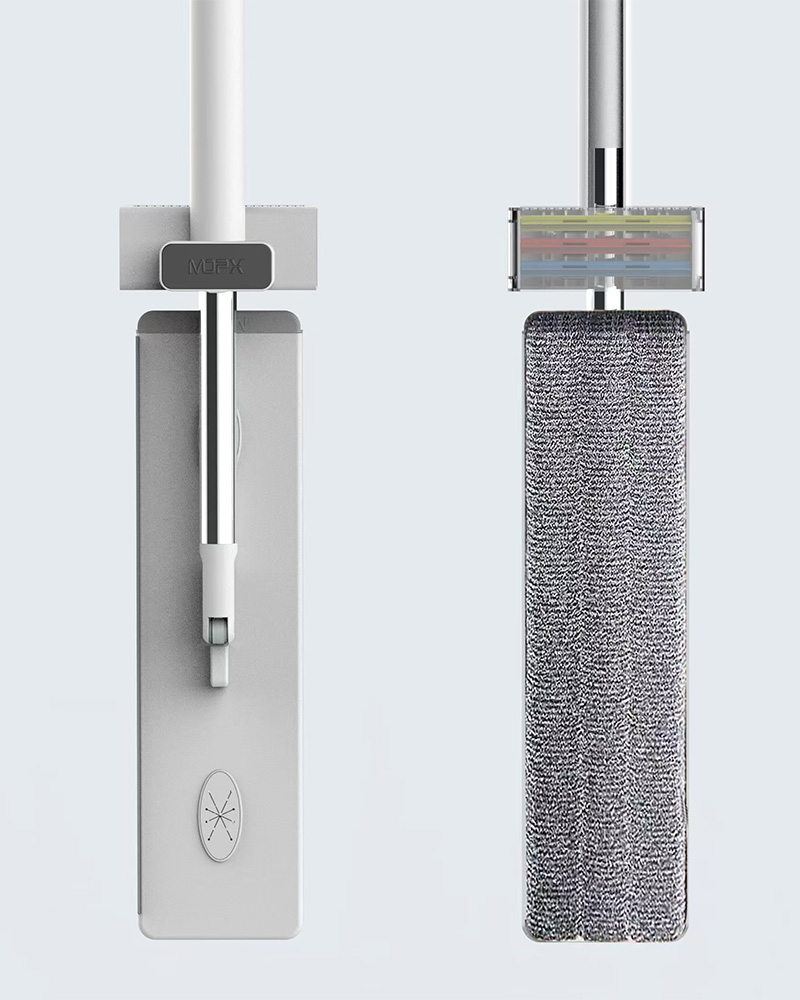
For a flat mop platform that accepts replaceable cloth pads, the MOP X flat mop tool is one option to evaluate alongside the cloth sample, because the fit between pad and plate affects pickup and edge reach.
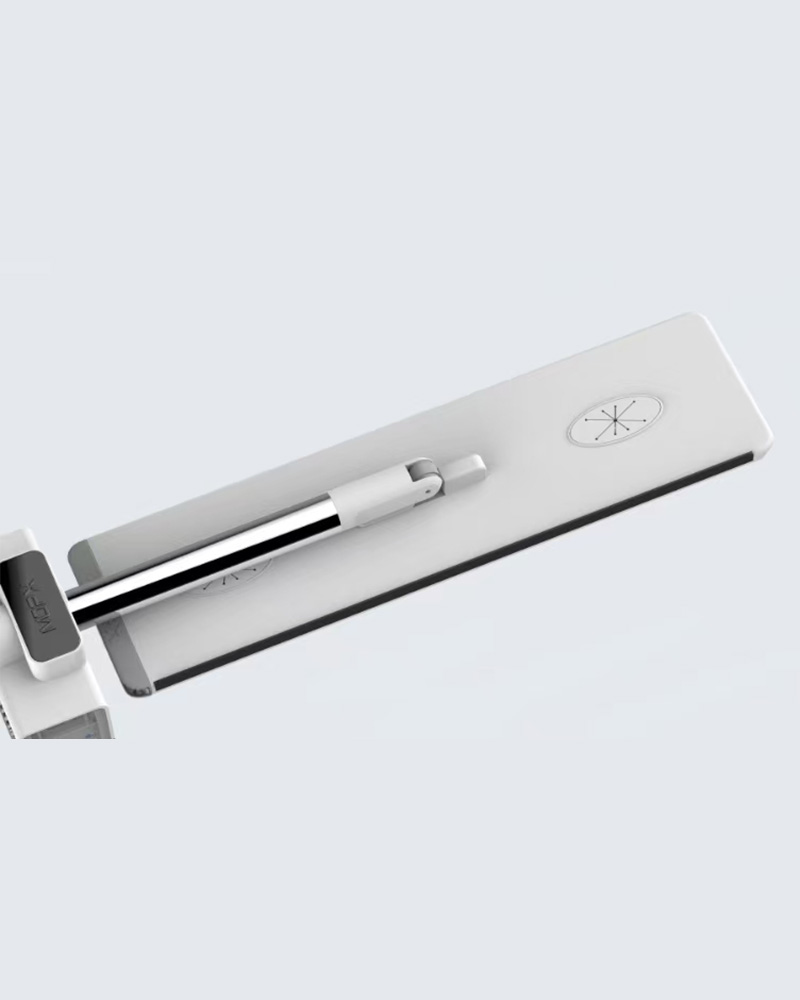 Mop X Flat Mop Floor Cleaning ToolA flat mop with a 360-degree head and dual-compartment design, worth reviewing for pad fit, edge reach, and cleaner rinsing on hard floors.View Product →
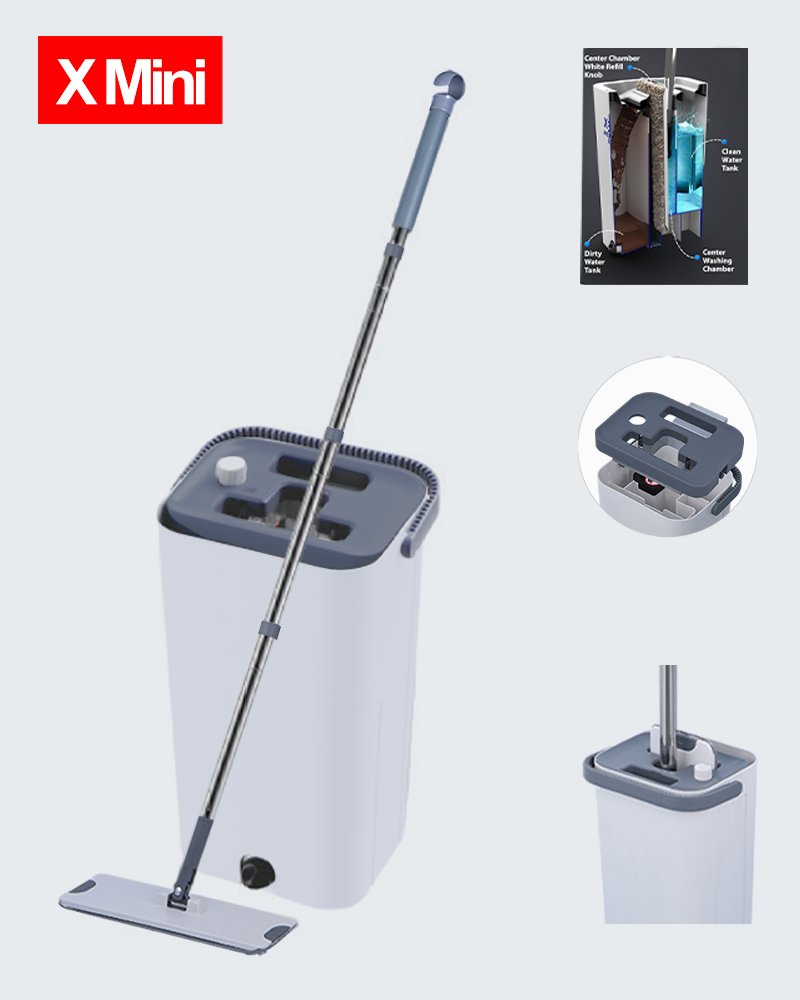
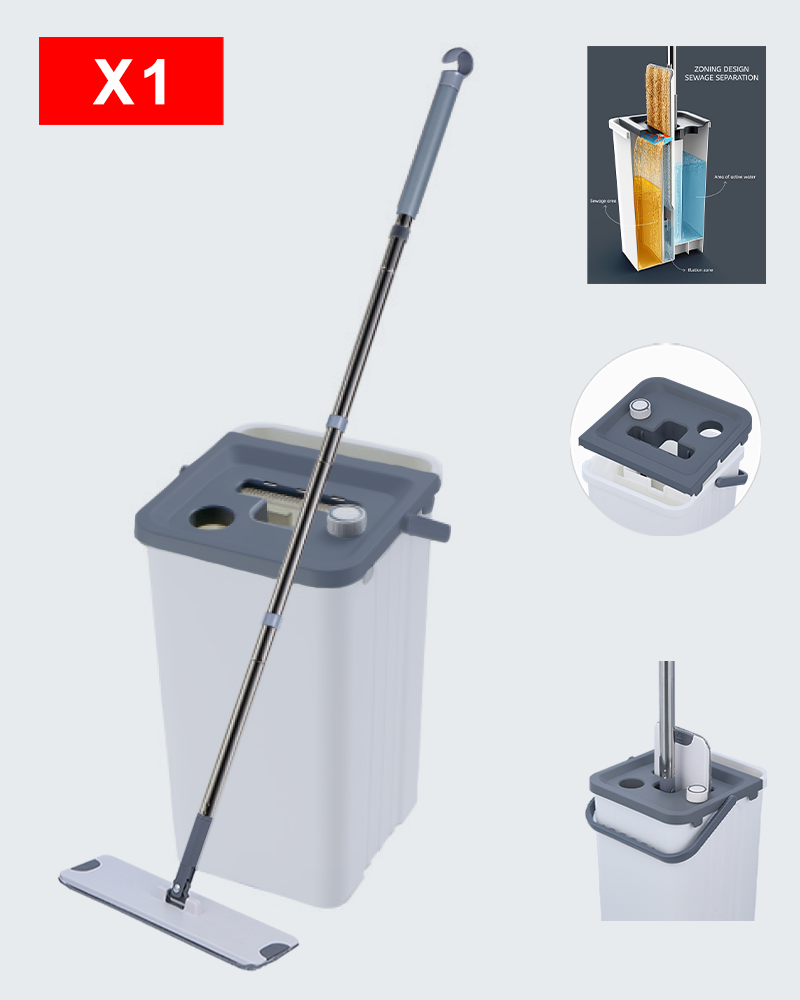
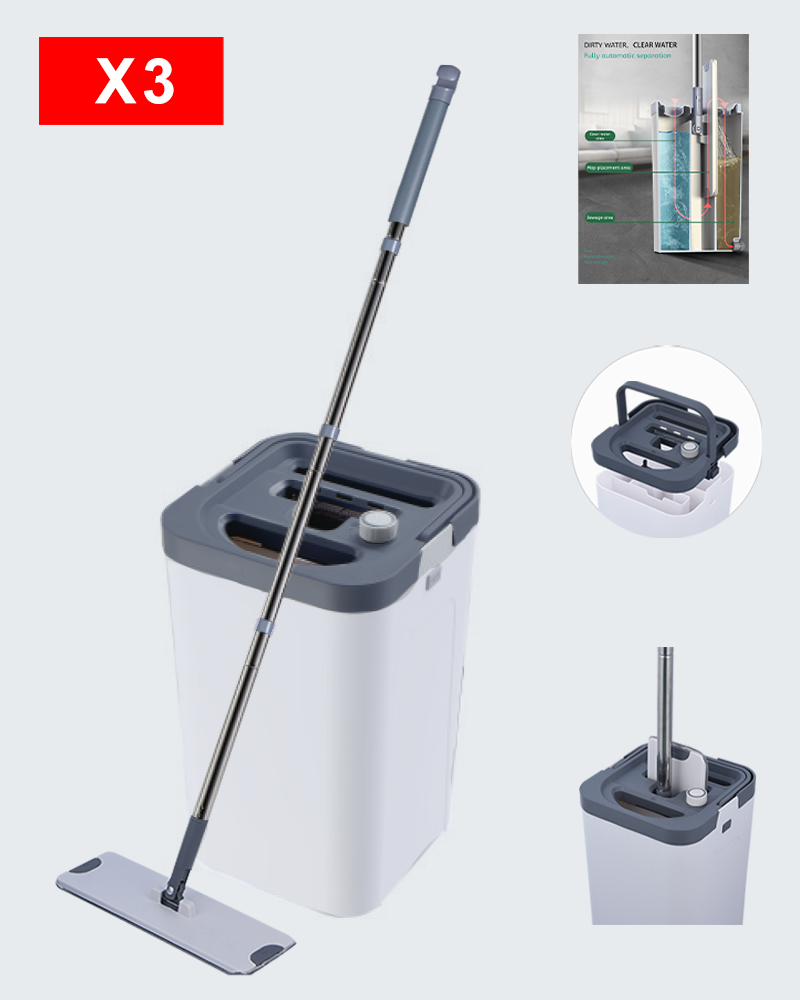
Rinse design also matters. If the bucket lets soiled water mix with clean water, the cloth picks up contamination on the next pass. A clean and dirty water separation bucket set is a practical match for absorbent pads in homes with large hard floors, because it keeps the rinse side cleaner for longer and reduces the chance that the pad spreads soil back onto the floor.
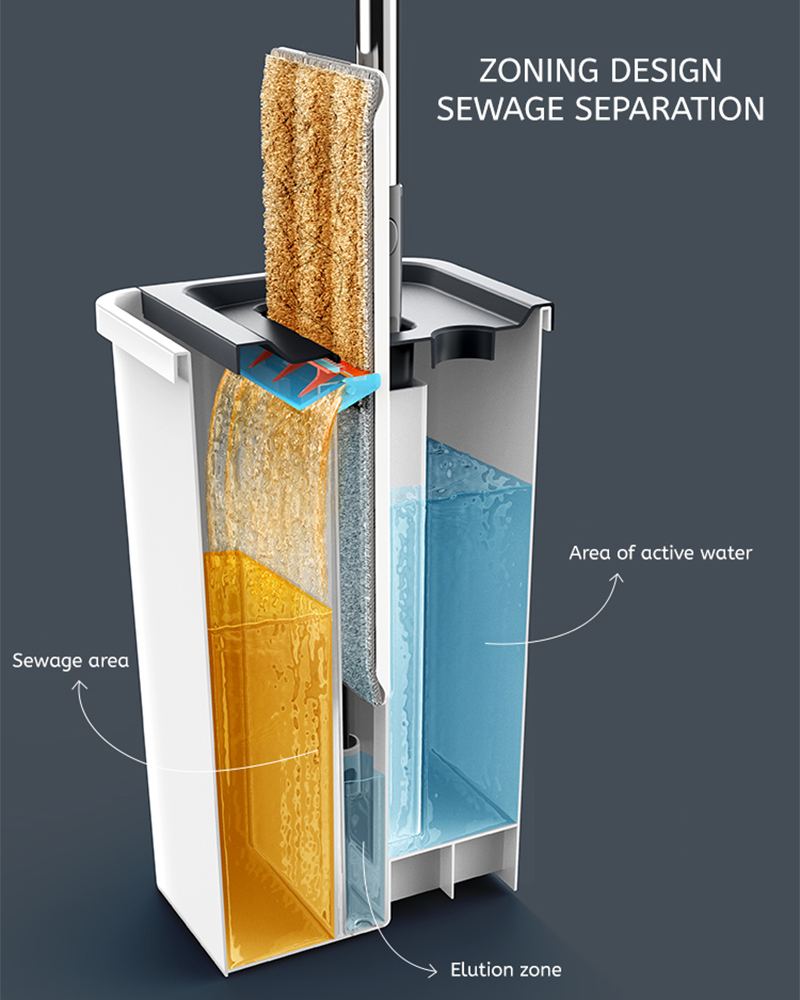 Clean And Dirty Water Separation Mop Bucket SetA flat mop bucket set with separate clean and dirty water compartments, hands-free wringing, and 360-degree head for hygienic floor cleaning.View Product →
Ningbo Yaxiang Cleaning Products Co., Ltd. has worked on flat mops and bucket systems since 2008 under the MOP X brand. Its public profile describes more than 40 patents for its cleaning separation series, a five-person research and development team, and a stated 30 day order to shipment cycle. These claims are useful starting points for a supplier review, but they do not replace sample testing with the chosen mop head, bucket, and wash routine.
A Practical Sourcing Checklist for Absorbent Cleaning Cloths
Before comparing quotations, define the cleaning task and the retail position. A value retail pad and a premium refill pack should not use the same specification. Use a checklist to keep the sample review objective:
- Define the floor type, soil level, and expected wash cycle count for the target market.
- Set quantitative limits for weight, thickness, length, width, water uptake, and shrinkage.
- Request a wash durability report that covers backing peel, edge fraying, color change, and pickup after repeated cycles.
- Run a rinse test with the actual bucket system, because a cloth that releases soil poorly will raise complaints even if absorbency is high.
- Check factory process controls, certificates, and batch records. MOP X states ISO 9001 and BSCI certification, and buyers should verify scope and current status.
- Test at least three production lots before approval, since one lot cannot show consistency across cutting, lamination, and packing.
What Good Performance Looks Like in a Buyer Trial
A useful trial should be simple enough to repeat and strict enough to reveal weak points. Test the same mop head and bucket with the candidate cloth and a current reference pad. Record water pickup, floor wetness after one pass, streaking on a dark tile, soil release after rinsing, drying time, and appearance after 30 to 50 wash cycles. Ask cleaners to rate drag and wringing effort, because a pad that is hard to handle may be rejected even when absorbency is strong.
Pay attention to the end of the wash life, not only the first use. A pad that curls at the edges, sheds lint, or smells after damp storage will create returns in retail channels. If the product is sold as a refill, the cloth should keep its size after washing so it still fits the mop plate. If it is sold as part of a bucket set, the cloth, mop head, and wringer should be tested as one unit.
Choosing the Right Cloth Starts With the Full Cleaning System
Absorbent cleaning cloth performance comes from the interaction of fiber, weight, backing, edge finish, mop head pressure, and rinse design. Buyers get better results when they specify the cloth and the flat mop system together, test with real soil and real users, and require batch consistency rather than one good sample. That approach reduces returns, protects the brand, and gives OEM and ODM programs a clear basis for repeat orders.