
 English
 Español
 中文简体
中文简体
Content
Yes, in most everyday cleaning situations a flat mop is better to use than a traditional string or sponge mop. It is lighter when wet, covers floor edges and corners more precisely, and uses a microfiber pad that lifts dust and bacteria more effectively than looped cotton strands. The exception is heavy-duty scrubbing on rough industrial flooring, where a string mop's absorbent bulk still has an advantage. The sections below walk through exactly where a flat mop outperforms the alternatives, and where it does not, so you can decide based on your own floor type and cleaning habits.
Yes, for Daily Home Cleaning a Flat Mop Is the Better Tool
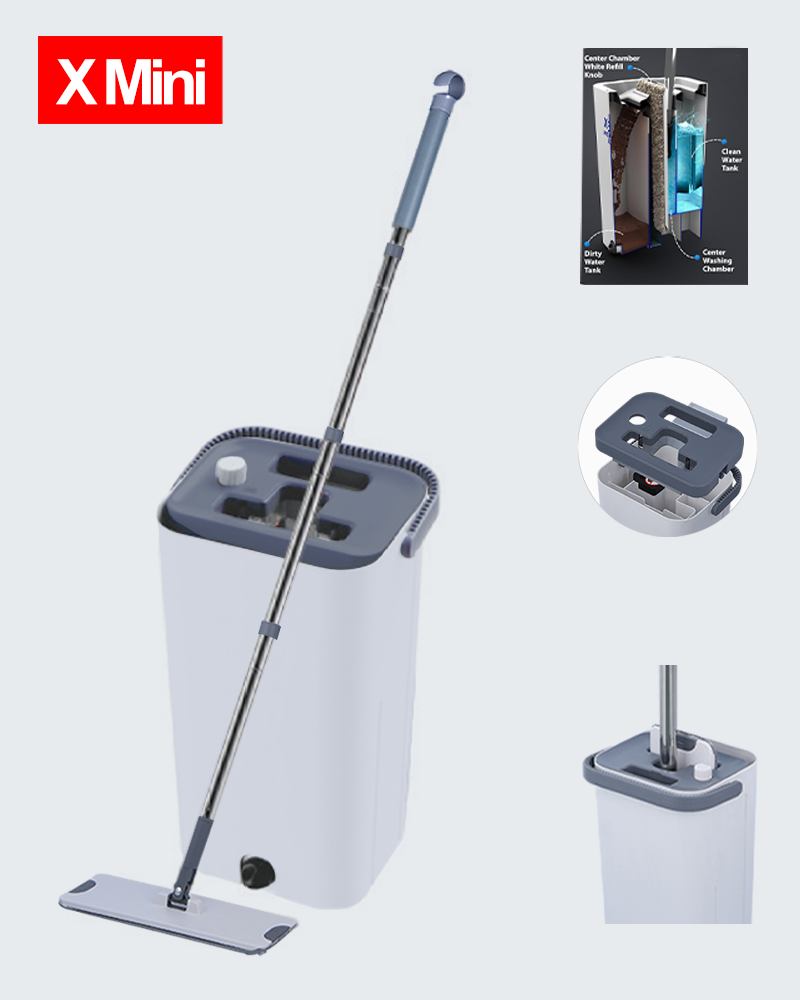
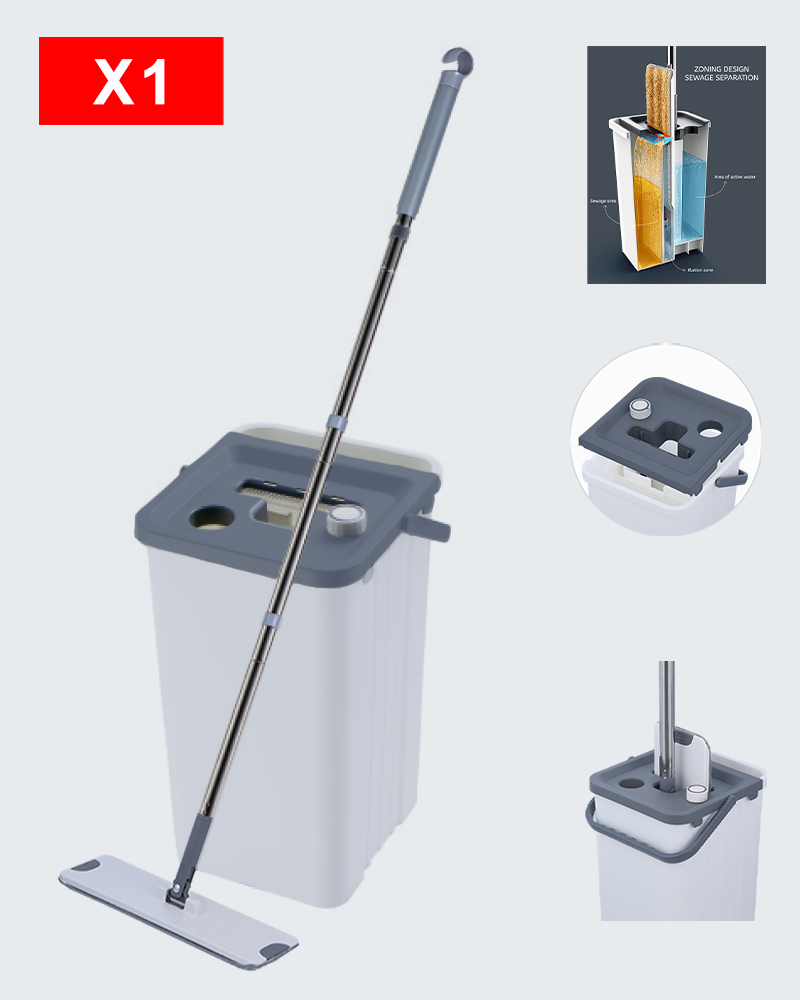
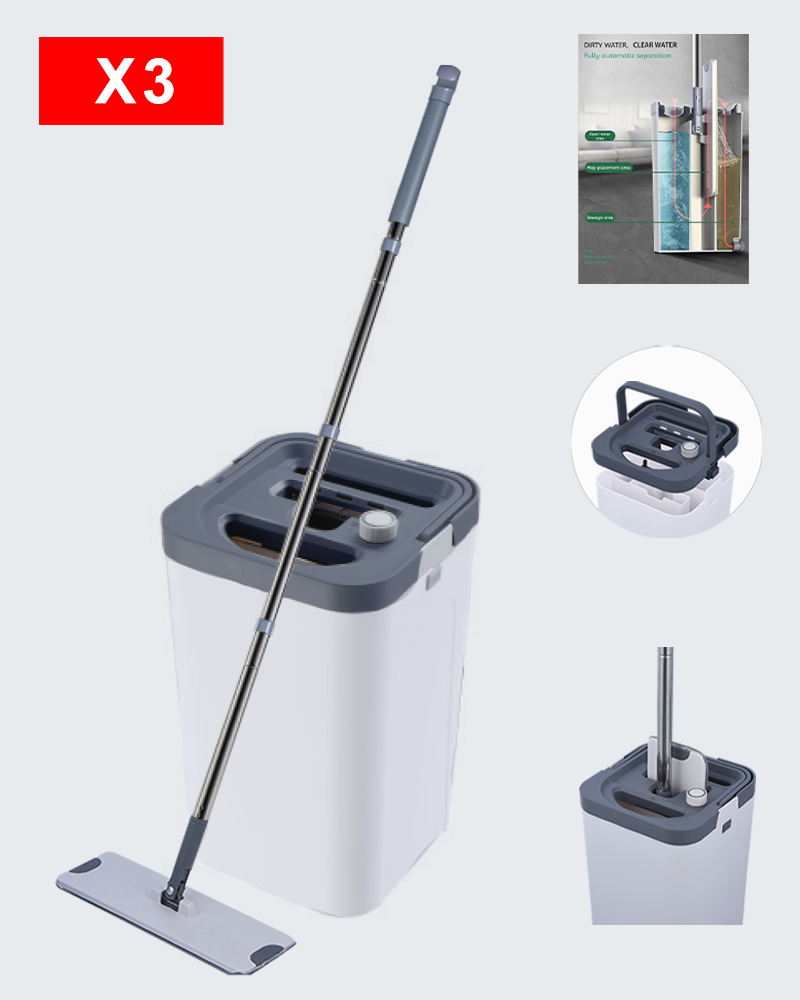
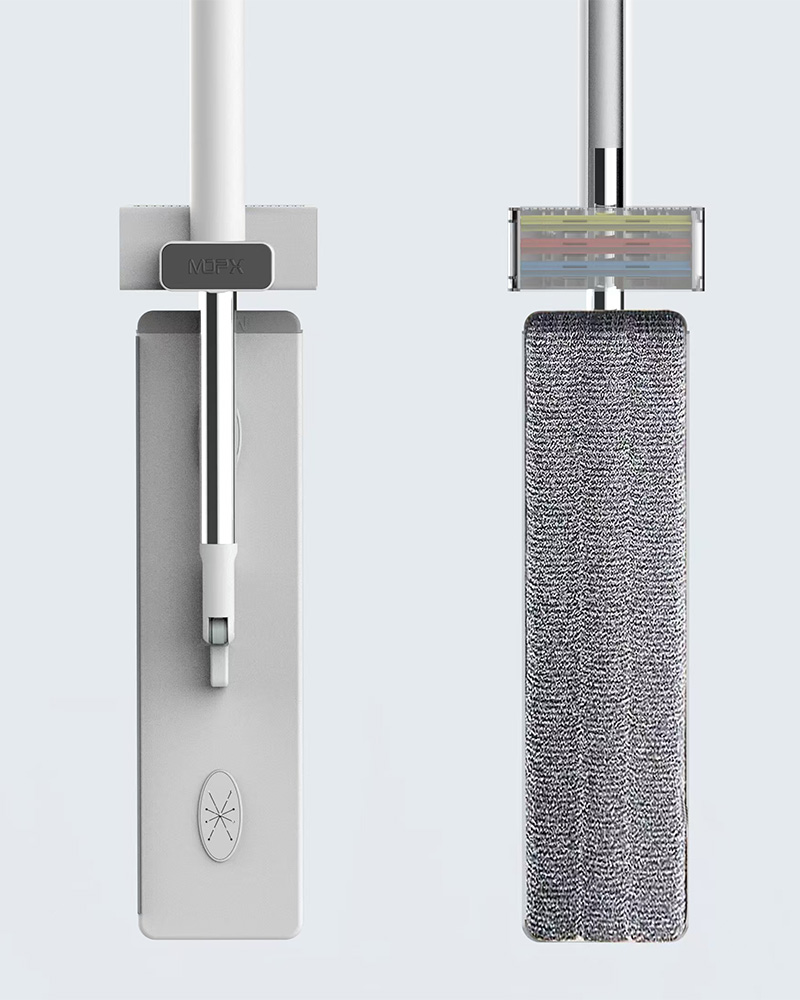
The biggest reason flat mops have become the default recommendation in most home cleaning guides is control. A flat, rectangular pad follows the contour of a room more predictably than a round string head, which means fewer missed spots along baseboards and under low furniture. A Flat Mop with a slim swivel head, for example, can pivot a full 180 degrees, letting the pad slide flat against a wall or cabinet edge without the user needing to angle the whole handle.
The other major factor is water control. Traditional mops are dipped into a bucket and often over-saturate the floor, which is a known risk for warping wood and laminate. A flat mop pad is typically pre-moistened with a spray mechanism or wrung through a narrow channel, delivering a more even, lighter film of water across the surface.
Side-by-Side Comparison of Cleaning Outcomes
The table below compares flat mops against the two most common alternatives on the factors that matter most for indoor floor care.
| Factor | Flat Mop | String Mop | Spray Mop |
| Water usage per room | Low | High | Low |
| Edge and corner access | Excellent | Fair | Good |
| Bacteria removal with water only | Up to 99 percent | Around 30 percent | Up to 99 percent |
| Best suited flooring | Wood, laminate, tile | Rough tile, concrete | Wood, laminate |
| Storage footprint | Small | Large | Small |
The bacteria removal figures come from microfiber testing summarized by the American Cleaning Institute, which found that microfiber material removes up to 99 percent of surface bacteria using only water, while standard cotton materials remove closer to 30 percent under identical test conditions. This is the main reason both flat mops and spray mops, which also use microfiber pads, outperform string mops on hygiene.
Where a Flat Mop Has a Clear Edge Over a Spray Mop
Spray mops and flat mops share the same pad material, so the real difference between them comes down to mechanism reliability and long-term cost.
- Spray mops rely on a battery or trigger pump that can fail or run out mid-clean, while a manual flat mop with a bucket has no moving parts to break.
- Refilling a spray mop's solution tank adds an extra step, whereas a flat mop pad can be dipped and wrung in seconds.
- Replacement cartridges for spray mop solutions add an ongoing cost that a simple flat mop and reusable pad avoids entirely.
For households that want a dependable tool without recurring parts to maintain, a manual flat mop is generally the more practical long-term choice.
Where a String Mop Still Wins
It would be inaccurate to say a flat mop is better in every scenario. String mops still hold an advantage in a few specific cases.
Rough or heavily soiled surfaces
Unglazed tile, concrete, and garage floors often have texture that a thin flat pad cannot fully penetrate. The thicker, looped strands of a string mop can work into these grooves more effectively, especially when paired with a stiff detergent scrub.
Very large open areas
Commercial spaces such as warehouses or gymnasiums are typically cleaned faster with a wide string mop head, since the surface area covered per pass is greater than a standard flat mop pad, which is usually sized for household use.
What Everyday Users Report
A household cleaning tools survey published by the American Cleaning Institute found that consumers switching from traditional mops to microfiber flat systems reported needing fewer repeat passes to reach a streak-free finish, along with less physical effort during cleaning sessions. This lines up with the weight comparison, since a saturated string mop head can weigh well over one kilogram, compared with a few hundred grams for a wrung flat mop pad.
Ease of storage is another frequently cited benefit. A flat mop frame, such as the design used in our own Flat Mop, folds flat or hangs on a slim hook, while a string mop bucket combo typically needs closet floor space.
Choosing Based on Your Floor Type
The right answer depends on what you are cleaning most often. Use the guide below as a quick reference.
- Hardwood or laminate floors benefit most from a flat mop with a lightly dampened microfiber pad to avoid moisture damage.
- Smooth ceramic or porcelain tile does well with a flat mop and a washable pad for weekly maintenance.
- Textured stone, unglazed tile, or garage flooring may still need a string mop or stiff brush for deep grout cleaning.
- Mixed flooring homes generally get the best overall results from a flat mop, since one tool handles most surfaces without switching equipment.
For the majority of homes with wood, laminate, or tile flooring, a flat mop remains the better daily tool, with a string mop kept as a backup only for occasional deep scrubbing tasks.