
 English
 Español
 中文简体
中文简体
Content
- 1 The Wringer Mechanism and How It Controls Moisture
- 2 How Dual Chamber Buckets Separate Clean and Dirty Water
- 3 The Role of the Flat Mop Head Design
- 4 Step by Step Operation Sequence
- 5 Why Moisture Control Affects Cleaning and Drying Time
- 6 Comparing Flat Mop Systems to Traditional Round Mops
- 7 Maintenance Practices That Support Proper Function
- 8 Who Benefits Most From Using a Flat Mop Bucket Set
A flat mop bucket set works by combining a wringer mechanism, often a lever press or spin function, with a bucket structure that separates clean and dirty water, allowing the flat mop head to be wetted, wrung to the desired moisture level, and used repeatedly without spreading dirty water back across the floor. This system design directly addresses the two biggest limitations of traditional round mop and bucket setups, which are inconsistent wringing control and water contamination that reduces cleaning effectiveness as the job progresses. Cleaning efficiency studies commonly referenced in commercial janitorial practices show that separating clean and dirty water during mopping significantly reduces the spread of bacteria and grime across a cleaned surface compared to single-chamber bucket systems.
The Wringer Mechanism and How It Controls Moisture
The wringer is the core functional component that distinguishes a flat mop bucket set from a standard bucket, giving users precise control over how much water remains in the mop head before it touches the floor.
Common Wringer Types
- Lever press wringers that compress the flat mop pad between two flat surfaces
- Spin wringers that use centrifugal force to remove excess water from a rotating mop head
- Roller wringers that squeeze the mop pad as it passes between two cylindrical rollers
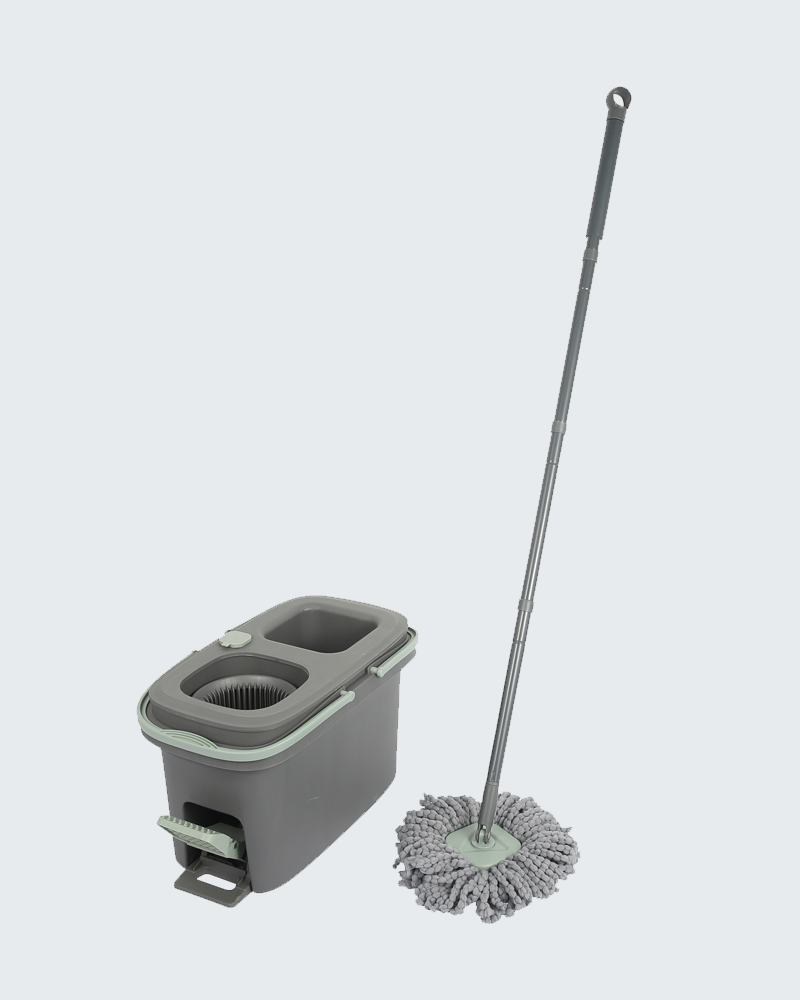
A well-designed Flat Mop Bucket Set typically uses a lever press or roller mechanism specifically calibrated for flat mop pads, since this style delivers more even, consistent moisture removal across the entire pad surface compared to older round mop wringing baskets.
How Dual Chamber Buckets Separate Clean and Dirty Water
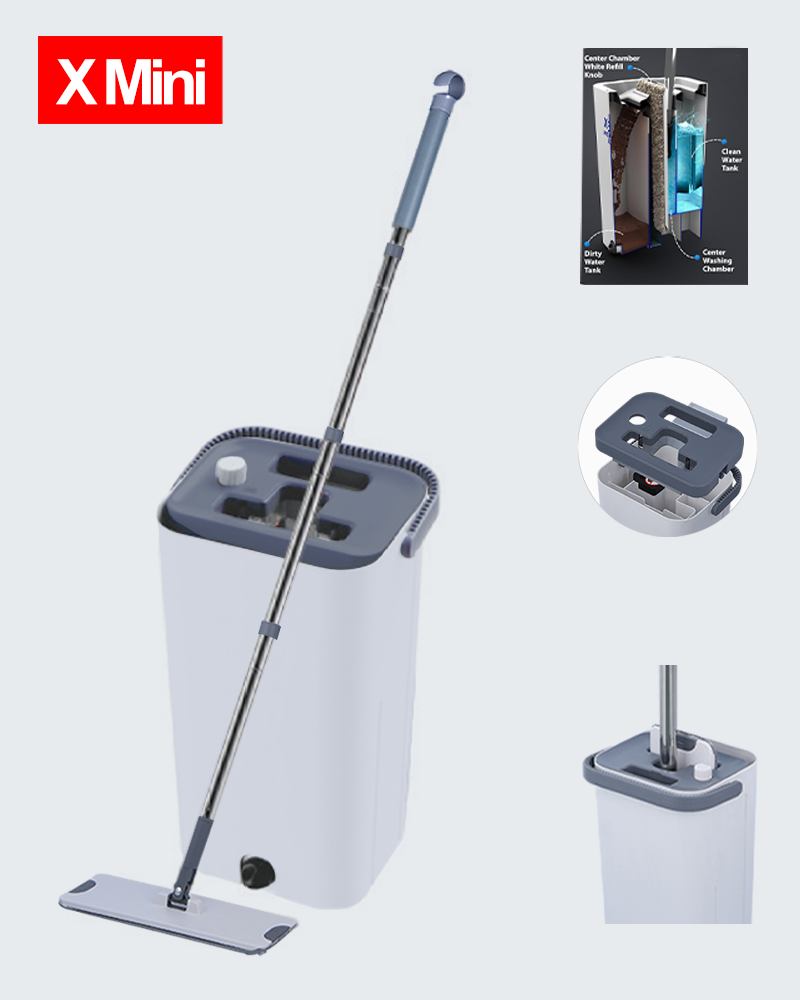
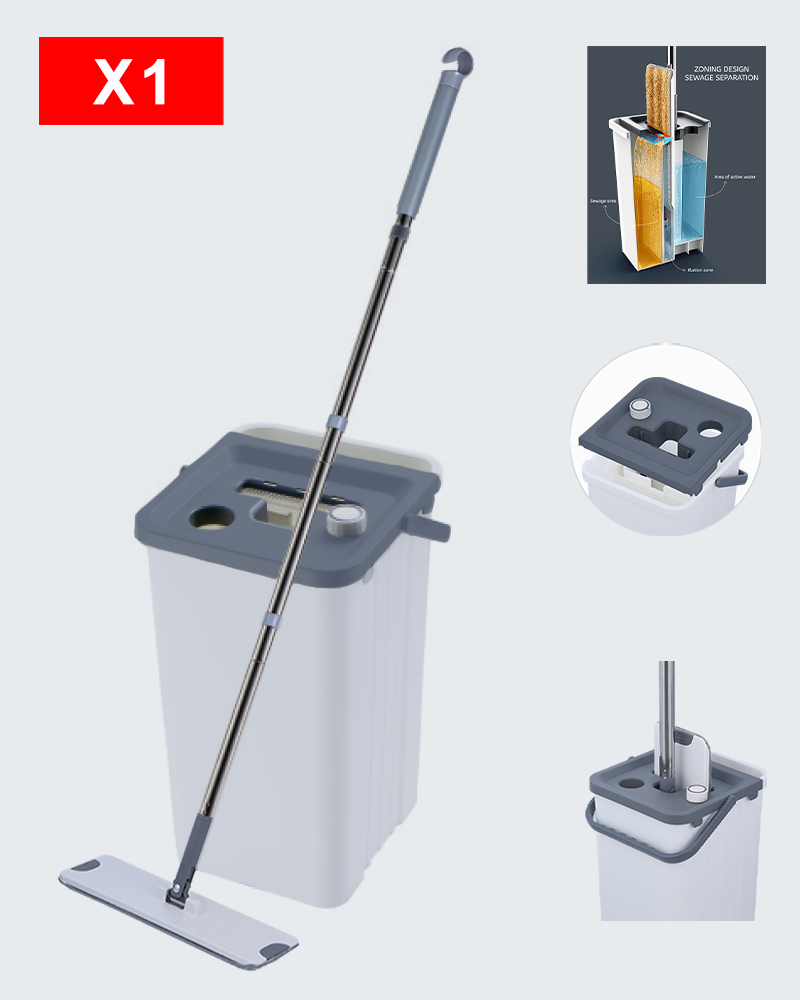
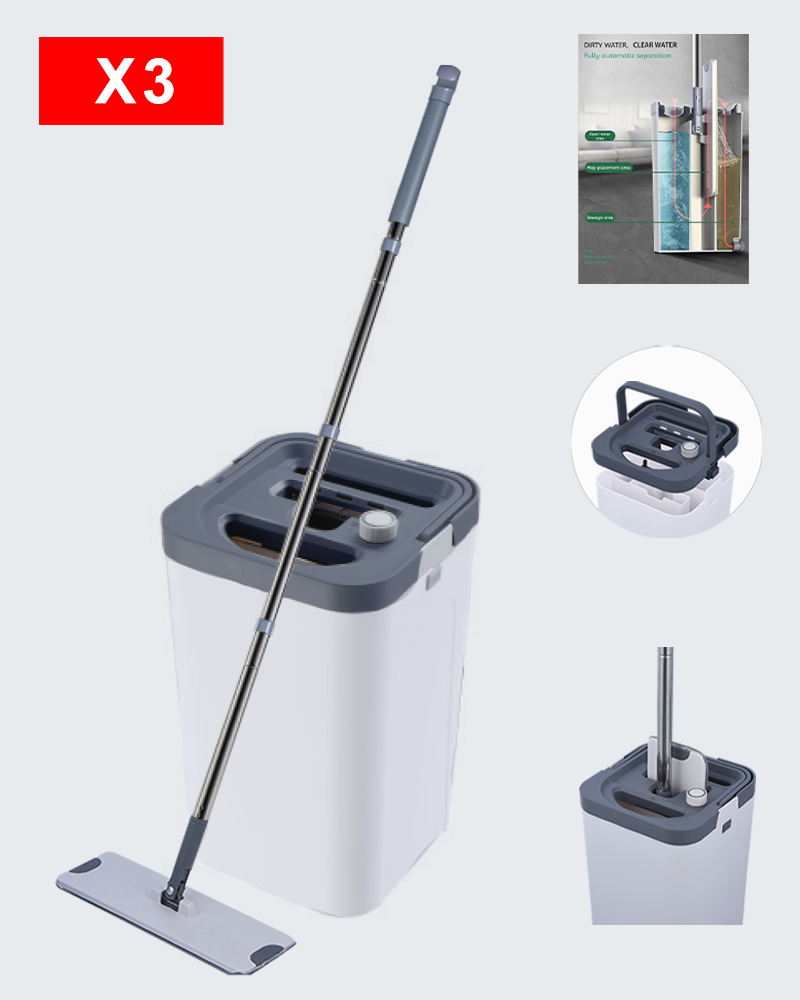
Many flat mop bucket sets are designed with two separate chambers, one holding clean water and the other collecting dirty water after wringing, which is a key functional improvement over single-bucket designs.
Dual Chamber Function Comparison
| Bucket Design | Water Cleanliness Over Time |
| Single chamber bucket | Degrades quickly as dirty water mixes with rinse water |
| Dual chamber bucket | Clean water stays separate, maintaining consistent cleaning quality |
This separation means the mop pad is rinsed in the dirty water chamber first, then re-wetted from the clean chamber, preventing the gradual buildup of grime that typically reduces cleaning effectiveness as a single bucket of water becomes progressively dirtier.
The Role of the Flat Mop Head Design
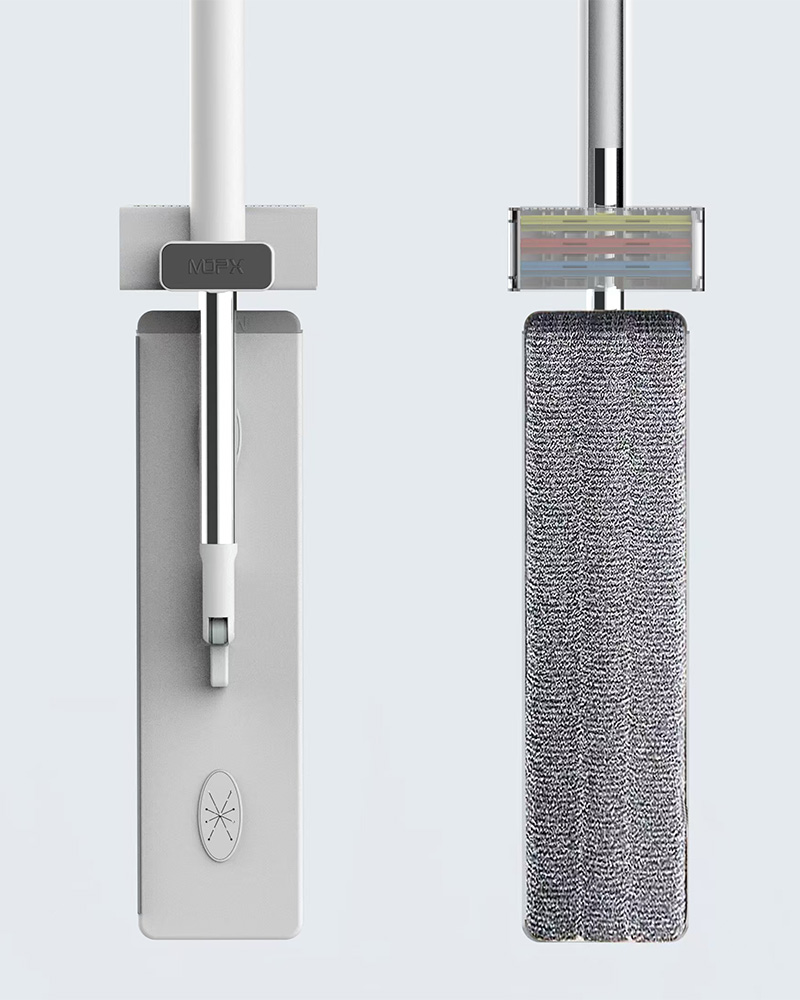
The mop head itself plays an important functional role, since its flat, rectangular shape and typically washable microfiber or fabric surface work together with the wringer and bucket system to achieve effective cleaning.
Why Flat Design Improves Coverage
A flat mop head makes contact with the floor across its full rectangular surface area, allowing it to clean along edges and into corners more effectively than a round mop head, which typically has a smaller and less consistent contact footprint.
Reusable Pad Attachment Systems
Most flat mop heads attach to the handle using a hook and loop or clip system, allowing the pad to be removed for machine washing between uses, which extends the usable life of the mop head compared to disposable alternatives.
Step by Step Operation Sequence
Understanding the full operational sequence helps clarify how each component of a flat mop bucket set works together during actual use.
Typical Usage Sequence
- Fill the clean water chamber with water and cleaning solution as needed
- Dip the flat mop head into the clean water chamber to saturate the pad
- Use the wringer mechanism to remove excess water to the desired moisture level before mopping
After mopping a section of floor, the pad is dipped into the dirty water chamber to rinse out collected debris, then wrung again before returning to the clean water chamber for the next wetting cycle, maintaining this separation throughout the entire cleaning session.
Why Moisture Control Affects Cleaning and Drying Time
The wringer's ability to control exactly how much water remains in the mop head directly affects both cleaning performance and how quickly the floor dries after mopping, which matters significantly in commercial settings with foot traffic concerns.
Balancing Moisture for Different Floor Types
Hard flooring such as tile or sealed concrete generally tolerates a wetter mop pad for deeper cleaning, while sensitive surfaces like hardwood or laminate typically require a more thoroughly wrung, nearly dry pad to avoid moisture damage during the cleaning process.
Reducing Slip Hazards Through Faster Drying
Properly wrung mop pads leave less residual water on the floor surface, which reduces drying time and helps minimize the slip hazard period in busy commercial or public spaces immediately following mopping.
Comparing Flat Mop Systems to Traditional Round Mops
Understanding the functional differences between flat mop bucket sets and traditional round mop and bucket combinations helps clarify why the flat system has become increasingly popular in both residential and commercial cleaning applications.
Key Functional Advantages
- More consistent moisture distribution across the entire mop head surface
- Reduced water usage due to more precise wringer control compared to hand-wrung round mops
- Washable, reusable pads reduce ongoing replacement costs compared to disposable options
A properly functioning Flat Mop Bucket Set typically requires less physical effort during wringing compared to twisting a traditional round mop by hand, which also reduces repetitive strain during extended cleaning sessions.
Maintenance Practices That Support Proper Function
Keeping the bucket, wringer, and mop pad clean and in good working condition ensures the system continues to function as designed over repeated use cycles.
Recommended Maintenance Steps
Rinsing both bucket chambers thoroughly after each use prevents residue buildup that could affect water cleanliness during the next cleaning session, while regularly washing the mop pad according to the manufacturer's care instructions helps maintain its absorbency and cleaning effectiveness over time.
Inspecting the Wringer Mechanism
Periodically checking the wringer lever or roller mechanism for smooth operation helps catch any developing stiffness or misalignment before it affects the consistency of moisture removal during regular use.
Who Benefits Most From Using a Flat Mop Bucket Set
Households managing hard flooring maintenance, along with commercial cleaning staff responsible for larger floor areas, benefit significantly from the consistent moisture control and water separation that a flat mop bucket set provides. Facilities with sensitive flooring types, such as hardwood or laminate, particularly benefit from the precise wringing control this system offers, since it helps prevent the excess moisture exposure that can damage these surfaces over repeated cleaning cycles.