
 English
 Español
 中文简体
中文简体
Content
- 1 The Core Components of a Flat Mop Bucket Set
- 2 Step by Step: How the Wringing Mechanism Works
- 3 Single Chamber vs Dual Chamber Bucket Designs
- 4 Why the Wringing Step Matters for Hygiene
- 5 How the System Handles Different Floor Types
- 6 Assembling and Using a Flat Mop Bucket Set
- 7 Maintenance Tips to Keep the System Working Properly
A flat mop bucket set works by combining a dual-chamber or single-chamber bucket with a built-in wringing mechanism, so the user can rinse a microfiber mop pad in one section, press it through a wringer to remove excess water, and continue mopping without ever touching the pad by hand. The system typically separates clean and dirty water, or uses a spin or press mechanism to control moisture output, which keeps the floor from becoming over-saturated. Below, we walk through each component of a Flat Mop Bucket Set, how the wringing mechanism functions step by step, and why this design improves both cleaning results and hygiene compared with a basic bucket and mop.
The Core Components of a Flat Mop Bucket Set
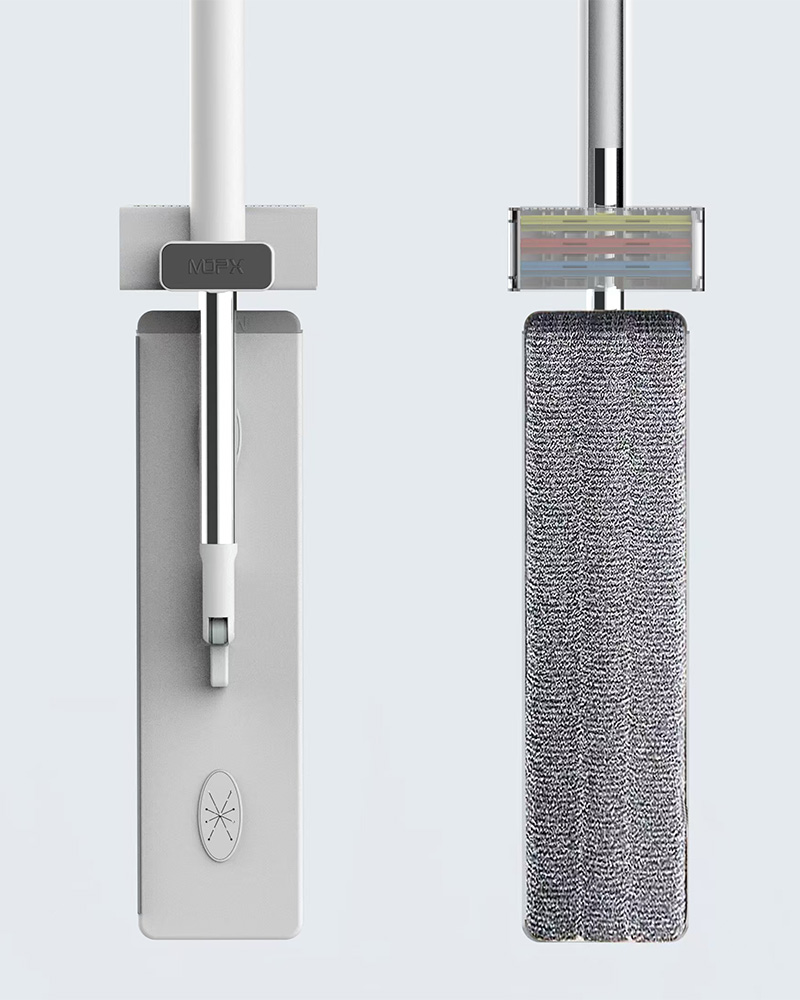
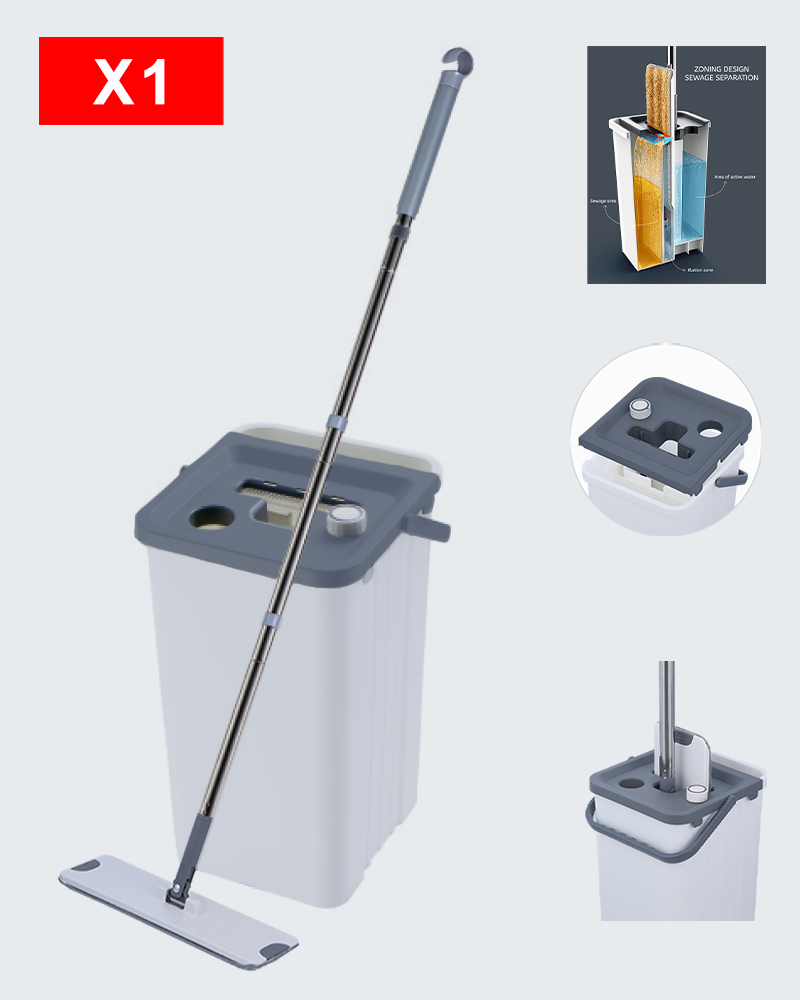
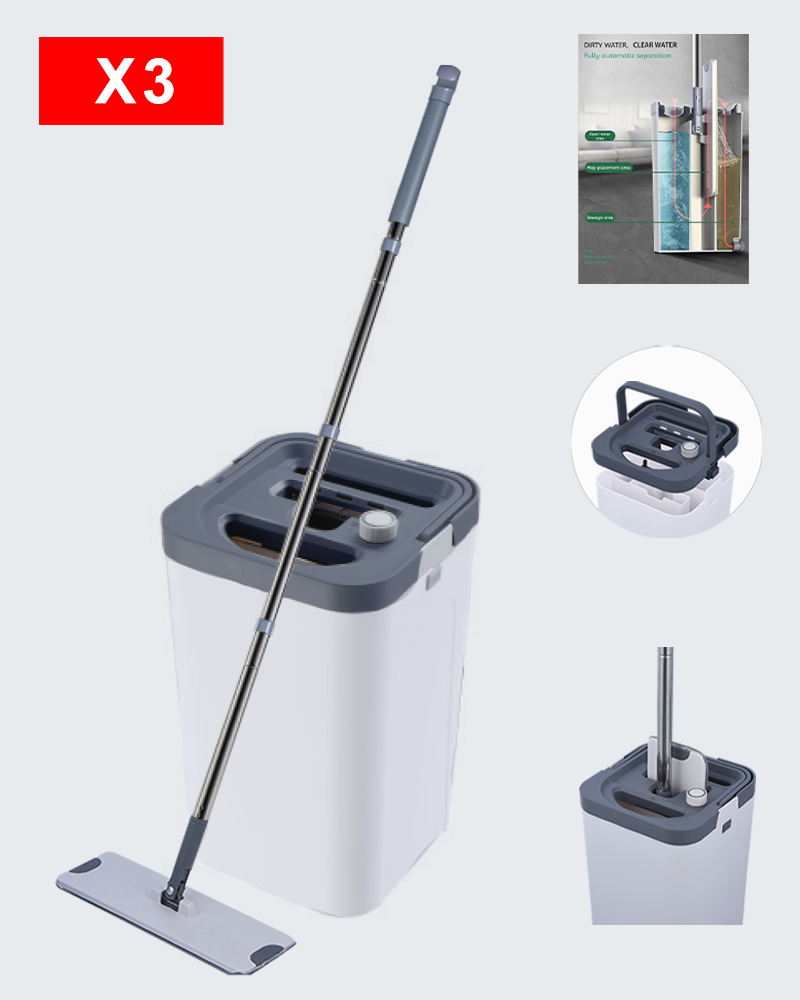
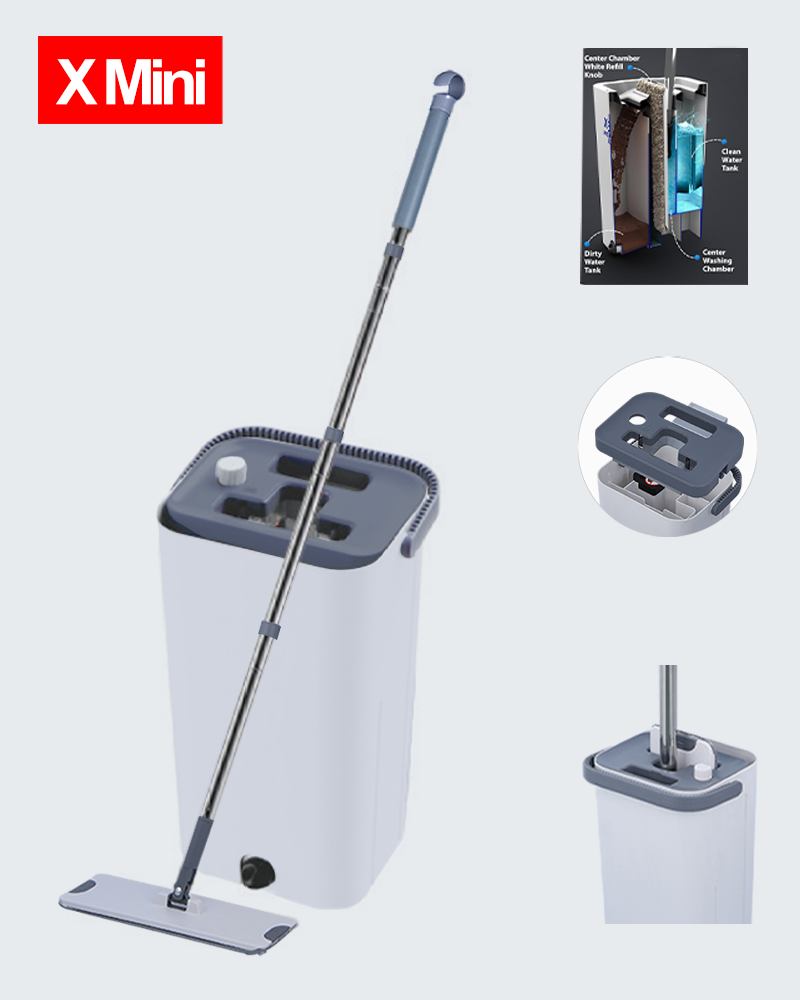
A typical flat mop bucket set includes four main parts working together: the bucket base, a wringing mechanism, the mop frame with a swivel head, and a replaceable microfiber pad. Each part has a specific function in the overall cleaning process.
- The bucket base holds water and, in dual-chamber designs, separates clean water from rinse water.
- The wringing mechanism, usually a press plate or roller channel, squeezes excess water out of the pad without requiring hand contact.
- The mop frame holds the pad flat against the floor and typically includes a swivel joint for maneuverability.
- The microfiber pad attaches to the frame with hook and loop fastening, velcro strips, or a clip system, and can be removed for washing.
Manufacturing guidance from cleaning equipment industry sources notes that separating these functions into distinct components, rather than combining them into a single fixed mop head, is what allows flat mop systems to be both more hygienic and easier to maintain over the long term.
Step by Step: How the Wringing Mechanism Works
The wringing mechanism is the defining feature that separates a flat mop bucket set from a standard mop and bucket. Understanding the mechanical sequence explains why the resulting mop pad is damp rather than dripping.
- The mop pad is dipped into the water chamber to absorb cleaning solution or plain water.
- The mop head is placed into the wringer slot or press channel built into the bucket lid or side wall.
- Downward pressure, either from a foot pedal, hand lever, or the user's own body weight pressing the mop handle, forces the pad through a narrow gap or roller set.
- Excess water is squeezed out and drains back into a separate compartment or directly into the sink, rather than mixing with clean water.
This mechanical wringing typically reduces the water content of the pad by a significant margin compared with a fully saturated dip, which is why floors mopped with these systems dry noticeably faster than floors cleaned with a standard dipped mop.
Single Chamber vs Dual Chamber Bucket Designs
Not all flat mop bucket sets use the same water management approach. The table below compares the two most common configurations.
| Feature | Single Chamber Bucket | Dual Chamber Bucket |
| Water separation | None | Clean and dirty water kept apart |
| Cleaning consistency across rooms | Decreases as water gets dirty | Stays consistent longer |
| Best suited use | Small spaces, quick cleanups | Whole home or multi-room cleaning |
| Typical bucket size | Compact | Slightly larger |
A dual chamber design directs rinse water from the used pad into one section while keeping the fresh water reservoir untouched in the other, which means the pad is redipped into clean water every time rather than water that already contains dirt and bacteria from the floor. This is the main reason dual chamber sets tend to produce more even cleaning results across larger homes with multiple rooms.
Why the Wringing Step Matters for Hygiene
Beyond convenience, the wringing mechanism plays a direct role in hygiene outcomes. Microfiber testing referenced by the American Cleaning Institute has shown that microfiber pads can remove up to 99 percent of surface bacteria using only water, but this effectiveness depends partly on the pad being damp rather than soaked, since an over-saturated pad tends to redistribute dirty water across the floor instead of lifting it into the fibers.
By mechanically controlling how much water remains in the pad, a flat mop bucket set helps maintain the pad's cleaning effectiveness throughout a session, rather than relying on the user to manually estimate how hard to wring a pad by hand, which is inconsistent and often less effective.
How the System Handles Different Floor Types
The adjustable wringing pressure in most flat mop bucket sets allows the same tool to be used safely across multiple floor surfaces, simply by changing how much water is left in the pad after wringing.
Hardwood and laminate floors
For moisture-sensitive flooring, users typically wring the pad more thoroughly, leaving it only lightly damp to avoid water seeping into seams or edges, which can cause warping over time.
Tile and stone floors
Tile can generally tolerate a slightly damper pad, since the surface is non-porous and grout lines benefit from a bit more moisture to lift dried residue without needing a second pass.
Assembling and Using a Flat Mop Bucket Set
Setting up and using the system correctly ensures the wringing mechanism and pad perform as intended from the first use.
- Attach the microfiber pad to the mop frame using the hook and loop strips along the underside.
- Fill the clean water chamber with water and, if desired, a small amount of floor cleaning solution.
- Dip the pad into the clean water chamber to saturate it fully.
- Press the mop head into the wringer channel and apply steady pressure to remove excess water.
- Mop the floor in slightly overlapping strokes, redipping and rewringing as the pad picks up dirt.
A well-designed Flat Mop Bucket Set is built so that each of these steps can be completed without the user ever needing to touch the wet or soiled pad directly, which is one of the main hygiene advantages over a traditional mop and bucket setup.
Maintenance Tips to Keep the System Working Properly
The wringing mechanism and bucket components need occasional maintenance to continue working smoothly over time.
- Rinse the wringer channel or roller after each use to prevent dried residue from reducing wringing pressure.
- Empty and dry the bucket chambers fully between uses to prevent mold or odor buildup.
- Wash microfiber pads separately from other laundry and avoid fabric softener, which coats the fibers and reduces absorbency.
- Check the swivel joint on the mop frame periodically to ensure it continues to pivot smoothly for edge and corner cleaning.
Following these steps helps the bucket set, wringer mechanism, and pads maintain consistent performance across hundreds of cleaning sessions, which is typically how long a well-maintained microfiber pad remains effective before it needs replacing.