
 English
 Español
 中文简体
中文简体
Content
In daily home cleaning, dust and stains on ceilings and in corners are often the most difficult areas to clean. Many people are used to wiping with a cloth, but actually, choosing the right tool can double your efficiency.
Why Choose a Flat Mop for Cleaning Walls?
Compared to traditional round-headed mops or handheld cloths, flat mop have significant advantages when cleaning vertical surfaces:
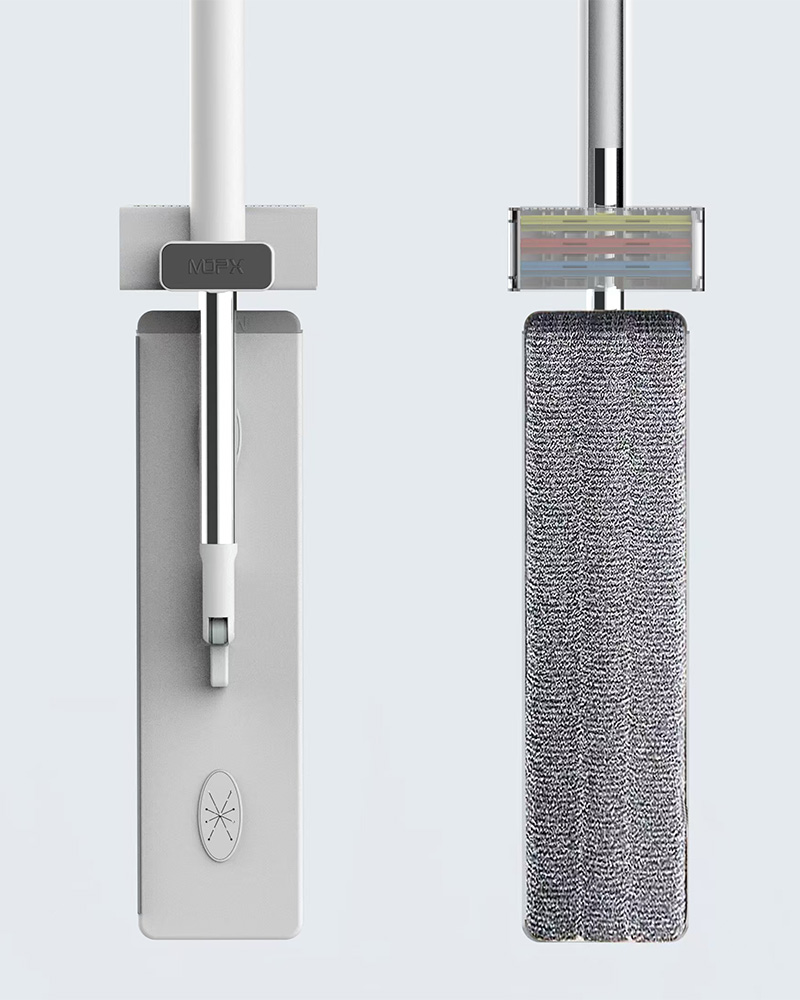
Large Contact Area: The flat base design allows for large-area contact with the wall, resulting in faster cleaning.
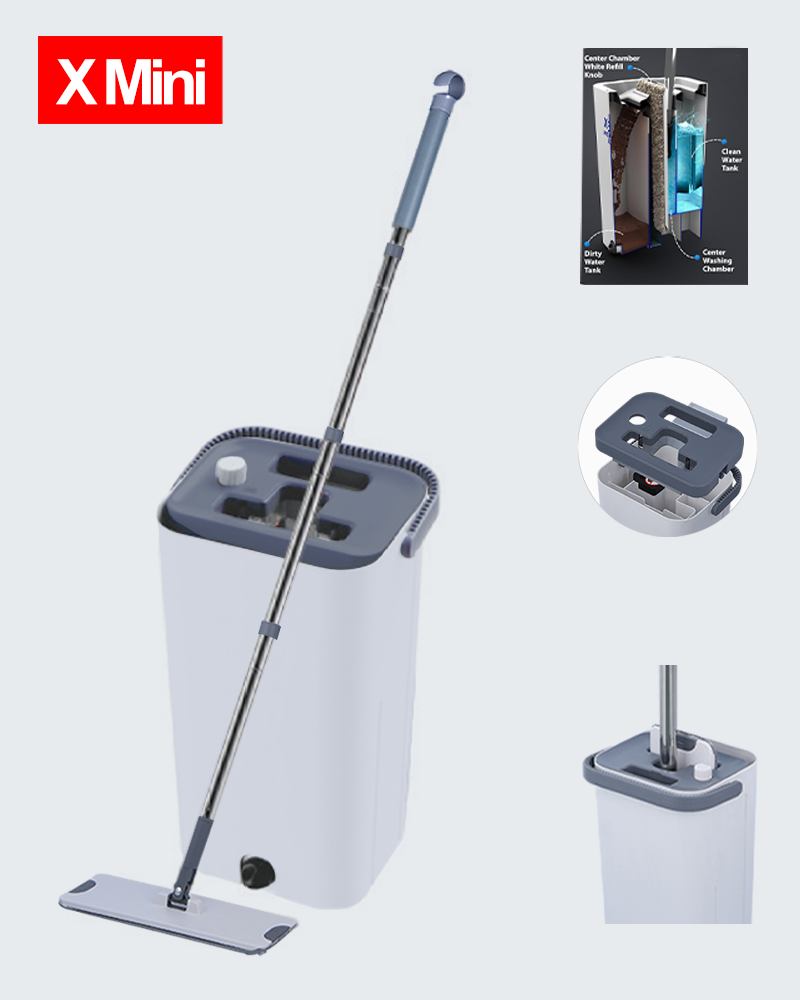
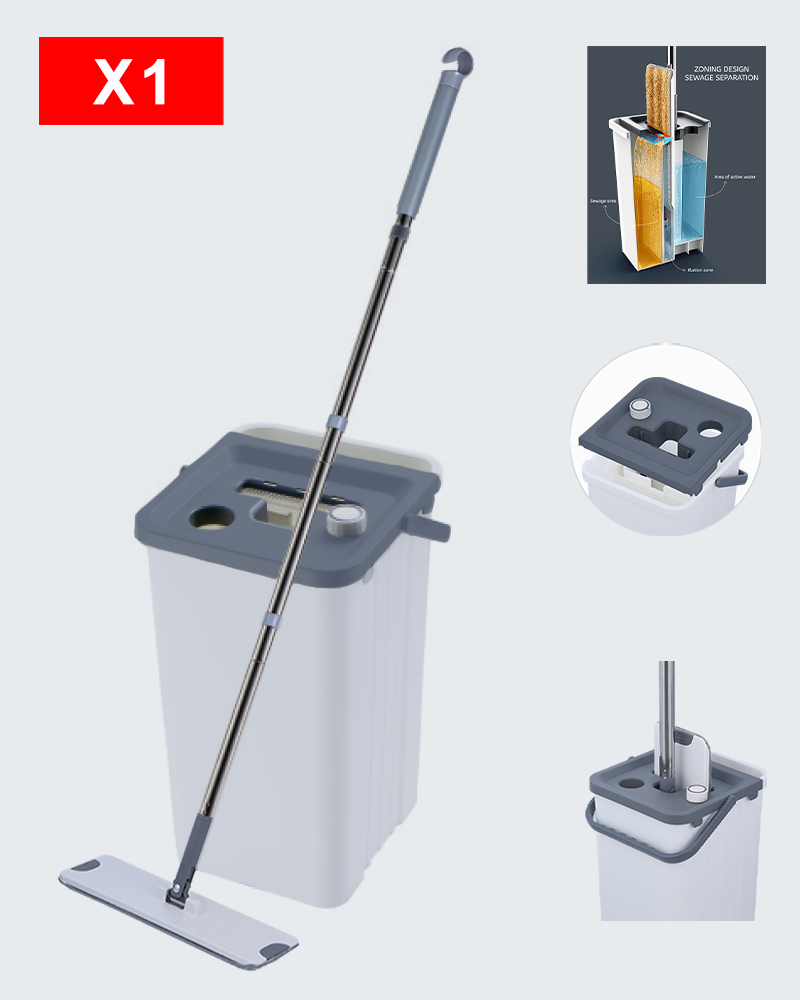
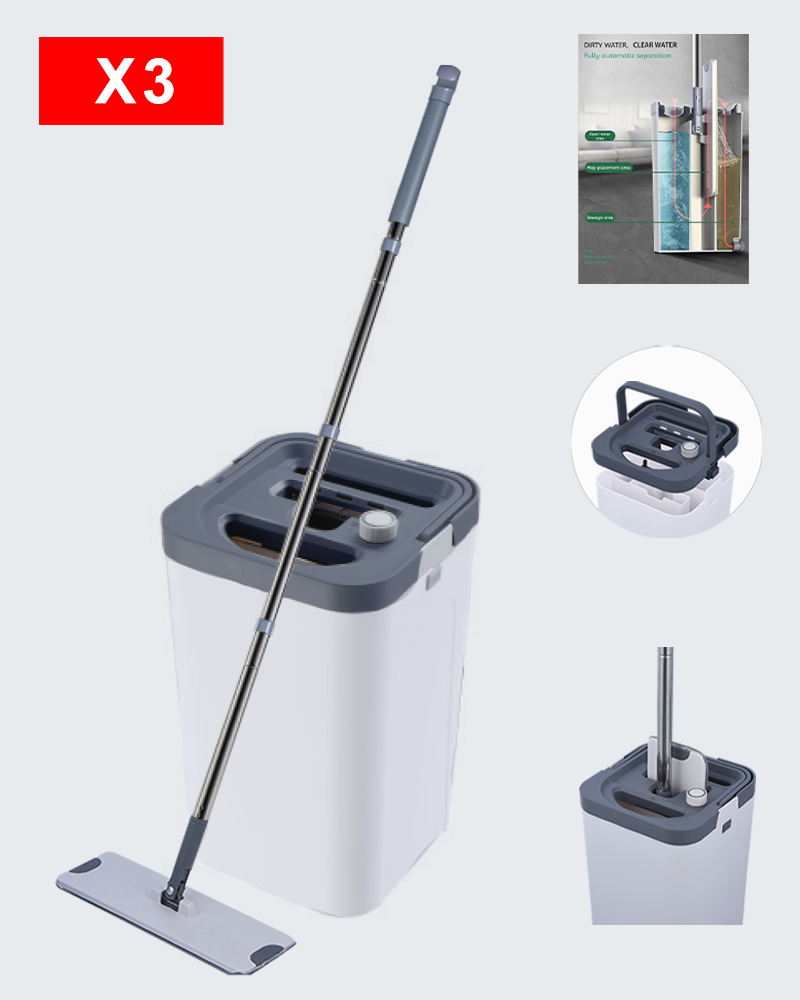
High Flexibility: Most high-quality flat mops are equipped with a 360-degree rotating head, easily reaching ceiling edges and baseboard crevices.
Wet and Dry Use: Combined with a microfiber cloth, it can absorb both surface dust and stubborn stains.
Back Protection: The extended telescopic rod design eliminates the need to bend over or climb, making it safer than ladders.
Preparation: Pre-cleaning Inspection
Before using a flat mop to clean the walls, please confirm the following two points:
Determine the wall material: Latex paint walls are generally washable, while pure paper wallpaper or artistic paint should be wiped dry as much as possible.
Prepare cleaning solution: If there are oil stains or fingerprints on the wall, you can add a small amount of neutral detergent or white vinegar to warm water.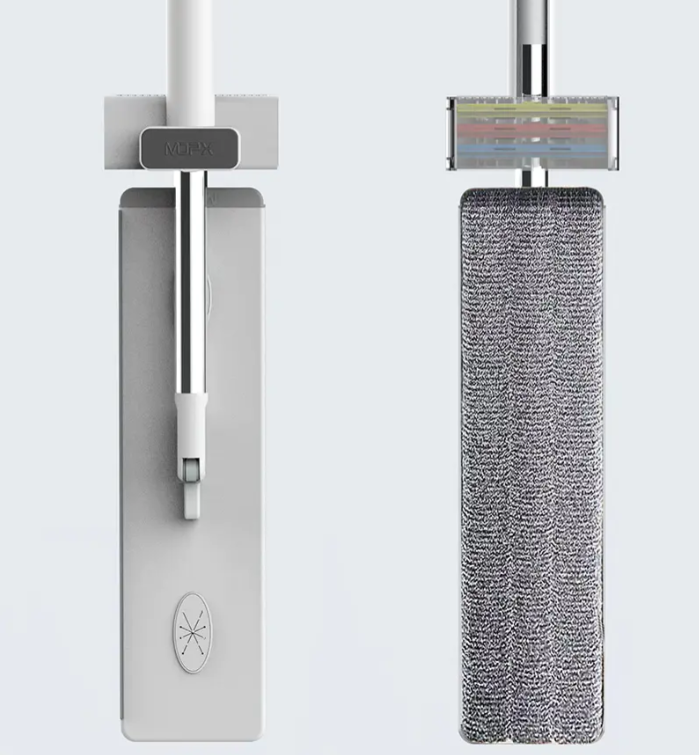
Detailed Steps: Tips for Cleaning Walls with a Flat Mop
Step 1: Dusting (Dry Wiping)
First, replace the flat mop with a dry microfiber cloth or disposable duster. Wipe the wall systematically from top to bottom and from left to right. This step mainly removes cobwebs, dust, and pet hair.
Step 2: Stain Removal (Wet Wiping)
For kitchen grease residue or stubborn stains in the living room, wet the flat mop's cloth and wring it out until it is no longer dripping. If it is a wooden wall panel, it is recommended to use a professional wood floor cleaner to prevent moisture damage and warping.
Step 3: Detail Handling
Using the right-angled edge of the flat mop, drag it up and down along the wall corners. For stains around switches and sockets, slow down and use the pressure of the mop head for targeted cleaning.
Maintenance and Care
After cleaning, remember to remove the mop head, wash and dry it. A mop head that isn't washed for a long time can easily breed bacteria, causing secondary contamination the next time you clean the walls. It's recommended to choose a model with Velcro closures on the base for easier mop head replacement.
Mastering the techniques of using a flat mop makes cleaning walls no longer a chore. Regular dusting is all that's needed to keep your home clean and bright.