
 English
 Español
 中文简体
中文简体
Content
A damp paper towel often leaves streaks, lint, and a sticky film on a kitchen counter. A quality microfiber cloth usually finishes the same surface in one pass. The practical conclusion first: microfiber cloths are the most flexible cleaning textile for dust, glass, stainless steel, screens, and floors, but not every cloth works for every job. Fiber blend, weight, weave, and edge finish decide whether a cloth polishes a faucet without scratching or pushes dirt around a floor. This guide covers the uses that matter in homes, cleaning operations, and bulk purchasing, with the specifications that prevent disappointing results.
What Makes Microfiber Cloths Effective
Microfiber is a synthetic fiber, usually polyester blended with polyamide nylon. Cleaning grade microfiber measures 0.5 denier or smaller. For reference, a human hair is roughly 50 to 100 denier. At that scale, a single cloth contains millions of fine filaments. Split microfiber, where each filament is divided into wedge shapes, multiplies the surface area further.
Two mechanisms drive performance. First, the increased surface area traps dust, oil, and liquid instead of moving them around. Second, the fibers carry a positive polar charge that attracts negatively charged dust and grease. That is why a dry microfiber cloth picks up fine dust from a baseboard or monitor screen without a spray. It is also why a slightly damp cloth removes fingerprints from stainless steel without leaving the water spots that a cotton rag creates.
Weight is measured in grams per square meter, or GSM. A 200 GSM cloth feels thin and works for light dusting. A 300 to 350 GSM cloth handles general surface cleaning and glass. A 400 GSM or heavier cloth has more absorbency for spills, kitchen degreasing, and floor work.
Everyday Microfiber Cloth Uses
The same cloth can serve several rooms, but the table below separates the main tasks so the wrong texture does not damage a delicate surface.
| Use | Recommended Cloth | What to Avoid |
|---|---|---|
| Dusting shelves, blinds, and baseboards | 300 GSM, short pile or flat weave | Damp cloths on unfinished wood |
| Glass, mirrors, and windows | 300 to 350 GSM, tight weave | Fabric softener residue, which causes streaks |
| Kitchen counters and appliance exteriors | 350 to 400 GSM, split microfiber | Sharing the same cloth between raw meat areas and ready to eat surfaces |
| Stainless steel and chrome polishing | 400 GSM, plush or terry weave | Abrasive pads or gritty cleaners that scratch |
| Screens, laptops, and televisions | 300 GSM, lint free, smooth weave | Paper towels and ammonia based sprays |
| Car interiors and detailing | 400 to 500 GSM, plush for buffing | Reusing a cloth that has picked up grit from wheels or floor mats |
Color coding keeps these uses separate. A common system assigns blue to glass, yellow to bathrooms, green to kitchens, and red to floor or toilet areas. The color itself does not disinfect, but it prevents a cloth that touched a bathroom floor from polishing a drinking glass.
Microfiber Cloths for Floors and Flat Mops
Floor care is where microfiber delivers the largest labor savings. A microfiber flat mop pad, usually 300 to 450 GSM and often blended with polyamide for scrub power, picks up loose dust and wet grime in one pass. Unlike a string mop, the flat pad does not push dirty water into grout lines and then leave it there. The cloth can be rinsed, wrung, and reused across a large floor area.
The material choice matters beyond absorbency. Research on pad fiber selection shows that fiber type influences how well a flat mop removes and holds contamination rather than redistributing it. The related article on fiber choice and disinfection efficiency explains why split microfiber and adequate pile density are not interchangeable with ordinary cotton pads.
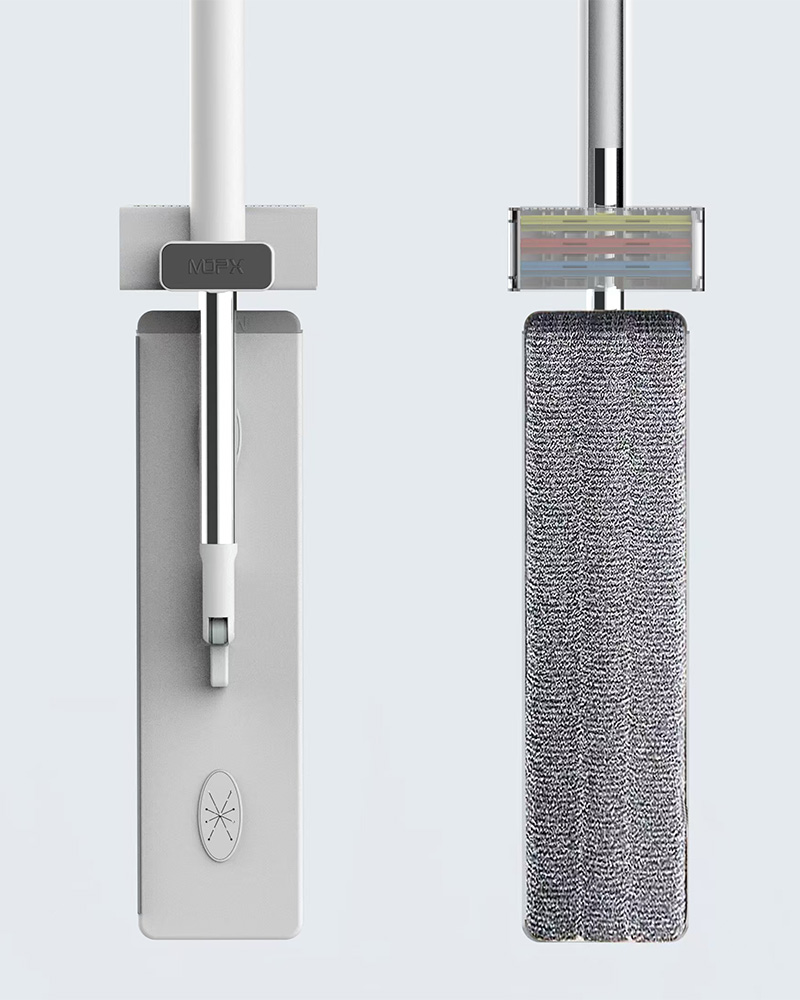
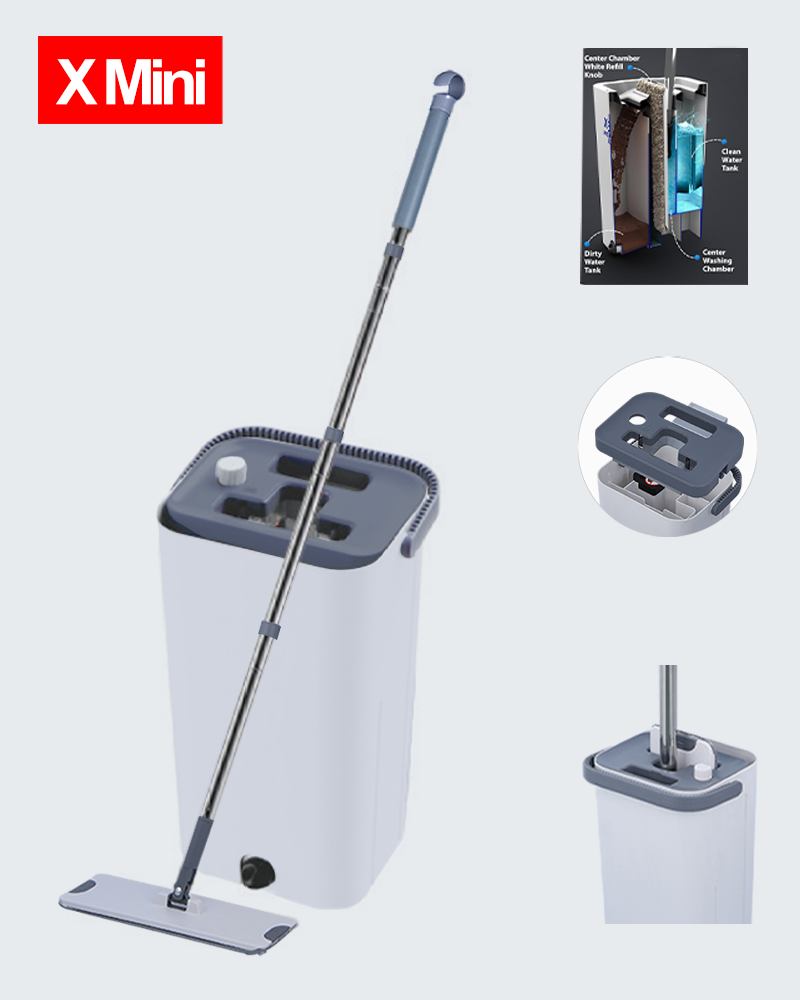
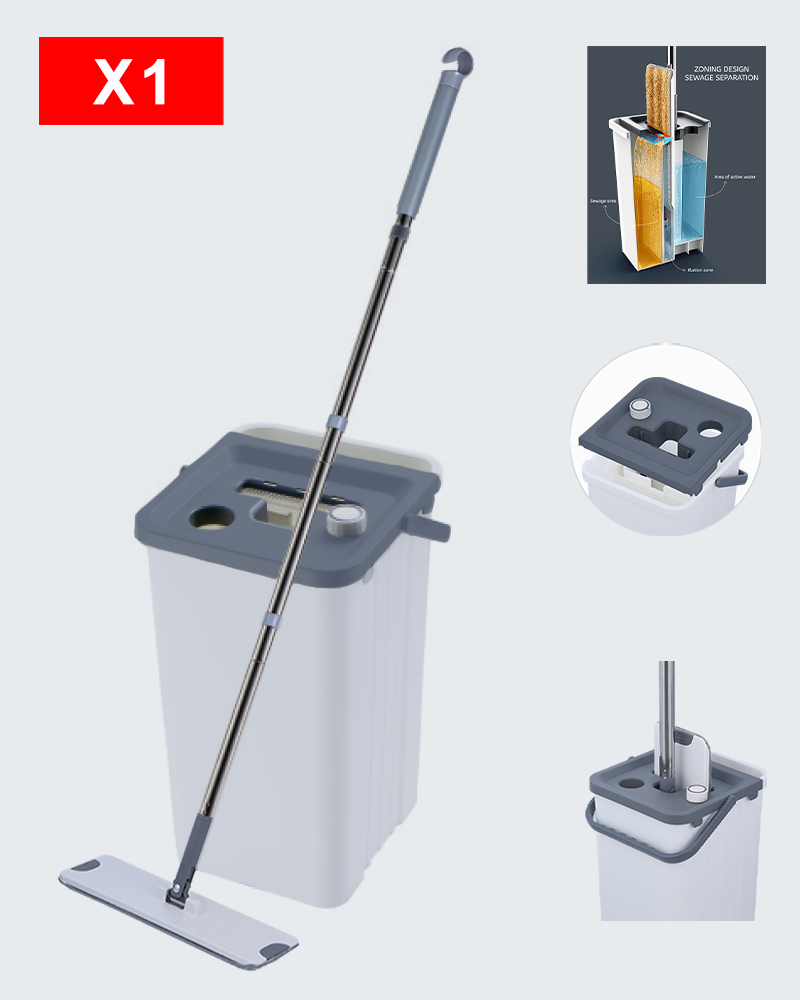
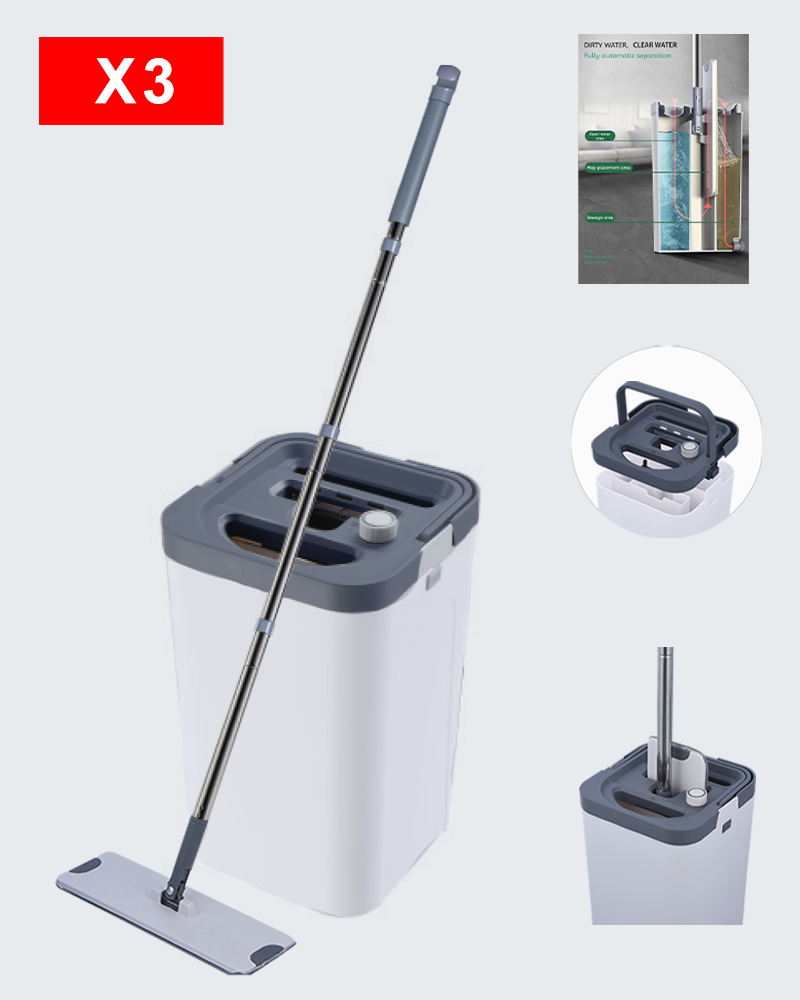
For a complete floor cleaning setup, a flat mop tool paired with a bucket system reduces hand contact with dirty water. MOP X builds flat mop platforms and bucket sets around this principle, including clean and dirty water separation designs that keep the rinse water usable for more of the floor.
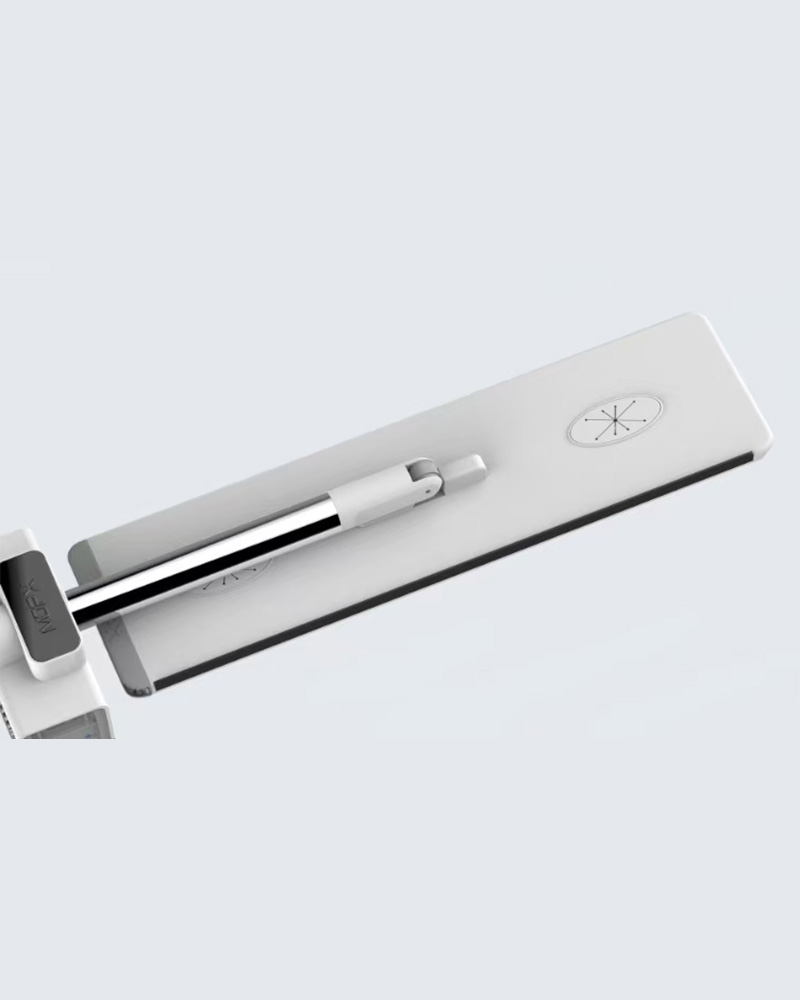 MOP X Flat Mop for Floor CleaningDual-compartment flat mop separates clean and dirty water, rotates 360°, and suits homes or offices where compact storage and easy assembly matter.View Product →
Matching GSM, Blend, and Weave to the Task
Buying microfiber by color alone leads to mixed results. Three specifications explain most performance differences.
- Fiber blend. An 80 percent polyester and 20 percent polyamide blend is standard for cleaning. Higher polyamide content improves absorbency and scrub, but it also raises cost. A 70/30 blend suits heavy floor pads and automotive towels.
- Weave. Flat weave is best for glass and screens because it leaves fewer fibers behind. Terry or plush weave holds more liquid and lifts dust from textured surfaces. Waffle weave dries quickly and works well for windows and general wiping.
- Edge finish. A sewn or bound edge lasts longer through repeated laundering. Ultrasonically cut edges are smooth and cheap, but they can fray after a few dozen washes. For commercial use, specify bound edges and a stitch count that survives industrial laundry.
For a cleaning company or a retail private label program, these details belong in the purchase specification. A 300 GSM cloth from one supplier may weigh 270 GSM in practice, which changes absorbency and hand feel. Request a pre production sample and test it on the actual surfaces your customers use.
Care and Reuse: Keeping Microfiber Working
Microfiber loses performance when it is washed with fabric softener, dried on high heat, or contaminated with lint from cotton towels. The fibers coat with softener residue and stop attracting dust. A simple care routine protects the investment.
- Wash new cloths before first use to remove manufacturing oils and loose fibers.
- Separate microfiber from cotton towels and from heavily soiled shop rags.
- Use warm water and a mild detergent without bleach or softener.
- Tumble dry on low or air dry. High heat can melt the fine filaments.
- Store dry cloths in a clean bin or bag, sorted by color and task.
For floor pads, a hands free washing bucket keeps the user from touching the dirty pad and controls how much water the microfiber holds before mopping. That matters in food service, healthcare, and any setting where cross contamination between rooms is a concern.
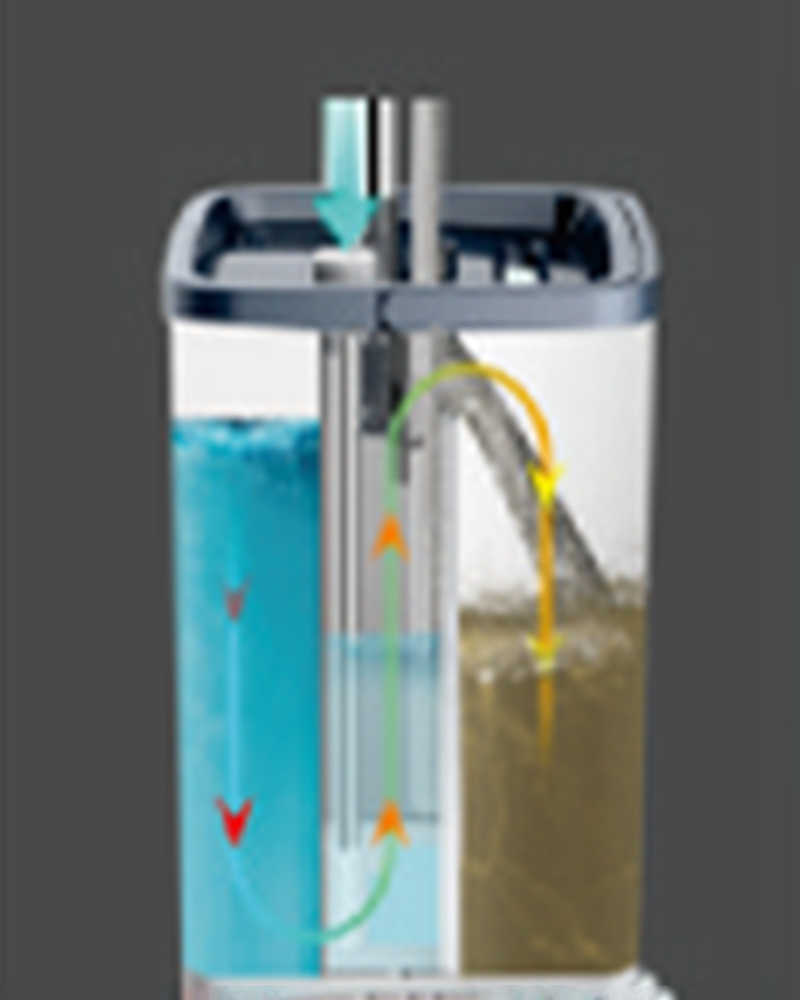 Hands Free Washing MOP X Flat Mop Bucket SetHands-free wringing and separate 4 L clean and dirty water compartments reduce contact with the mop head during wet or dry cleaning.View Product →
Buying Microfiber Cloths in Bulk
Facility managers, housekeeping companies, and retailers buy microfiber in cases, not single pieces. The purchasing risks are consistent: GSM that falls below specification, edges that fray after ten washes, color bleeding between batches, and packaging that does not protect the cloths in transit. A useful purchase order should state GSM with a tolerance, fiber blend percentage, size with a tolerance, edge type, color fastness, and the number of washes the cloth must survive.
For private label programs, the supplier should provide samples, test reports, and a realistic production timeline. MOP X, the brand of a Ningbo based cleaning products manufacturer, produces flat mops and bucket sets with ISO 9001 and BSCI certification and a stated lead time of about 30 days from order to shipment. The company also offers product customization for retail and distribution partners.
If the microfiber is destined for floor cleaning, pair the cloth or pad with a bucket system that matches the cleaning method. A clean and dirty water separation bucket keeps the microfiber pad rinsing in cleaner water, which extends the useful life of the pad and reduces the amount of chemical needed per square meter. The broader flat mop and bucket systems range shows how pad weight, bucket capacity, and wringing method can be specified together.
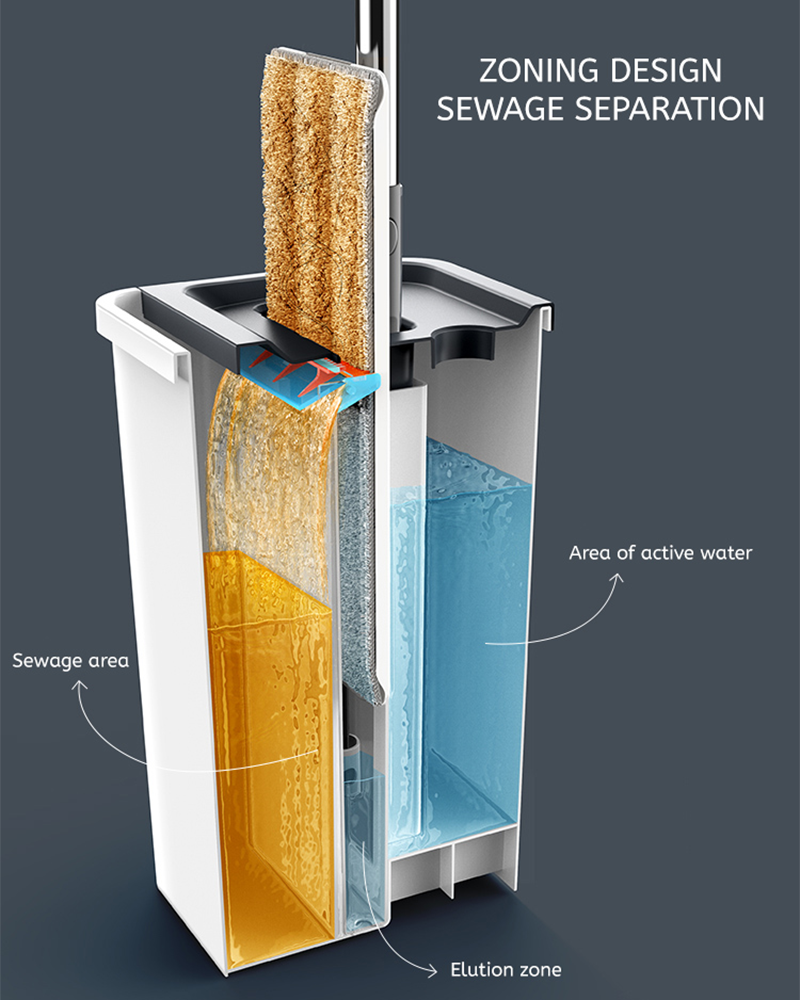 Clean And Dirty Water Separation Mop Bucket SetDual-compartment bucket set keeps clean and dirty water apart, with a 360° flat mop head for hygienic wet or dry floor cleaning.View Product →
Microfiber cloth uses are broader than most people expect, but the material rewards specificity. A 300 GSM flat weave cloth for glass, a 400 GSM plush cloth for polishing, and a 400 GSM split microfiber pad for floors cover nearly every household and commercial task. Keep colors separate, skip the fabric softener, and specify GSM, blend, and edge finish in every bulk order. Those habits turn a simple cloth into a dependable cleaning tool rather than another disposable rag.