
 English
 Español
 中文简体
中文简体
Content
Picture this: you just paid to have luxury vinyl plank flooring installed across your main living area, and the warranty clearly warns that standing water will void the coverage. Then someone hands you a conventional string mop and a full bucket. What should you do?
The best way to mop LVP flooring is to sweep or vacuum first, then go over the floor with a well-wrung microfiber flat mop dampened with a pH-neutral cleaner, working in small sections so the surface dries within a few minutes. This routine protects the seams, prevents warping, and keeps the finish streak-free. It is also the same method recommended by flooring installers, property managers, and commercial cleaning teams for both homes and workplaces.
Why LVP Flooring Is More Sensitive Than It Looks
Luxury vinyl plank is not solid wood, but it is also not fully waterproof in the way consumers often assume. Each plank is made of a rigid core, a printed design layer, and a clear wear layer on top. The vulnerable point is the seam between planks. When excess water sits on the surface or seeps into the joints, it can weaken the locking mechanism, cause the core to swell, and leave a cloudy film that dulls the finish.
This is why the words damp mop matter far more than the exact brand of cleaner you choose. A traditional string mop can release more than 300 ml of water in a single pass, while a properly wrung microfiber flat mop releases a small fraction of that amount. The floor should feel slightly moist for a minute or two after mopping, never visibly wet. If you can see water pooling between planks, you have already passed the safe threshold.
The Best Way to Mop LVP Flooring: Step by Step
Follow this routine whenever the floor needs a full mopping, not just a small spot wipe.
Step 1: Dry Clean First
Sweep, vacuum, or use a dry dust mop to remove grit, sand, and pet hair before any water touches the floor. These particles are abrasive, and dragging a wet mop over them is the fastest way to create fine scratches in the wear layer.
Step 2: Prepare the Right Cleaning Solution
Mix a pH-neutral floor cleaner with cool or warm water according to the label directions. Avoid vinegar as a regular cleaner, ammonia, bleach, and any product labeled as polish, wax, or oil soap. These damage the LVP finish over time or leave a residue that attracts more dirt.
Step 3: Use a Flat Mop With a Microfiber Pad
The best way to mop LVP flooring is to use a flat mop with a microfiber pad. Microfiber picks up fine dust and grease more effectively than cotton string, and because the pad sits flat against the floor, water spreads evenly without leaving tracks. Choose a pad that is machine-washable and easy to replace when it wears out.
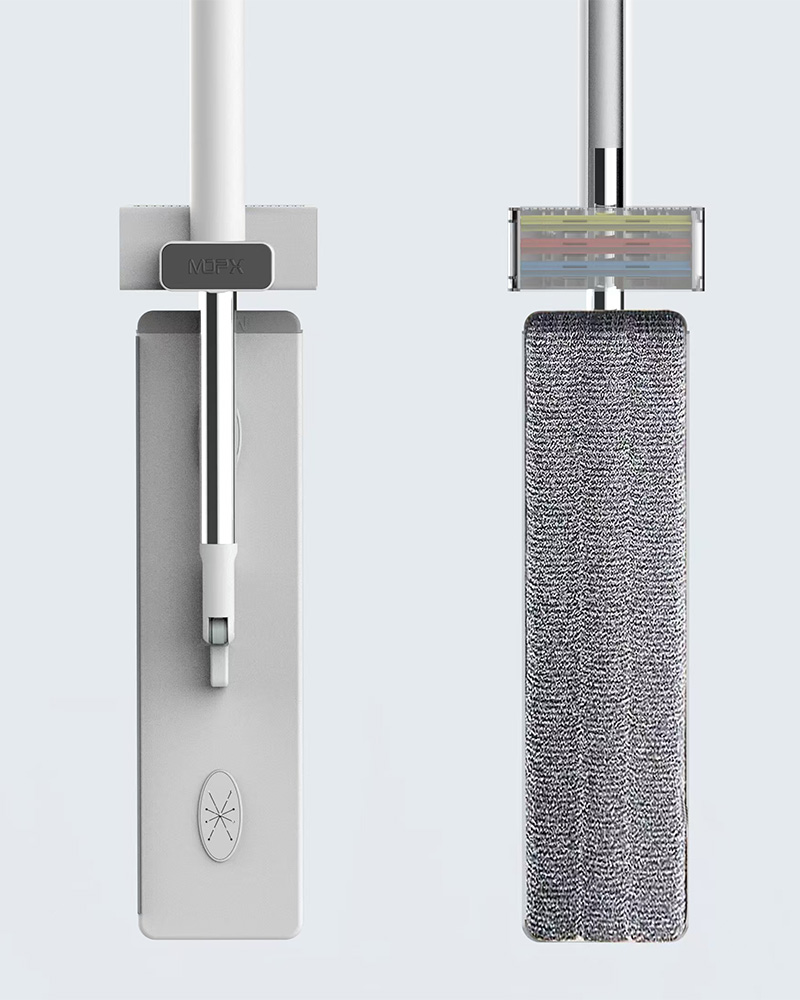
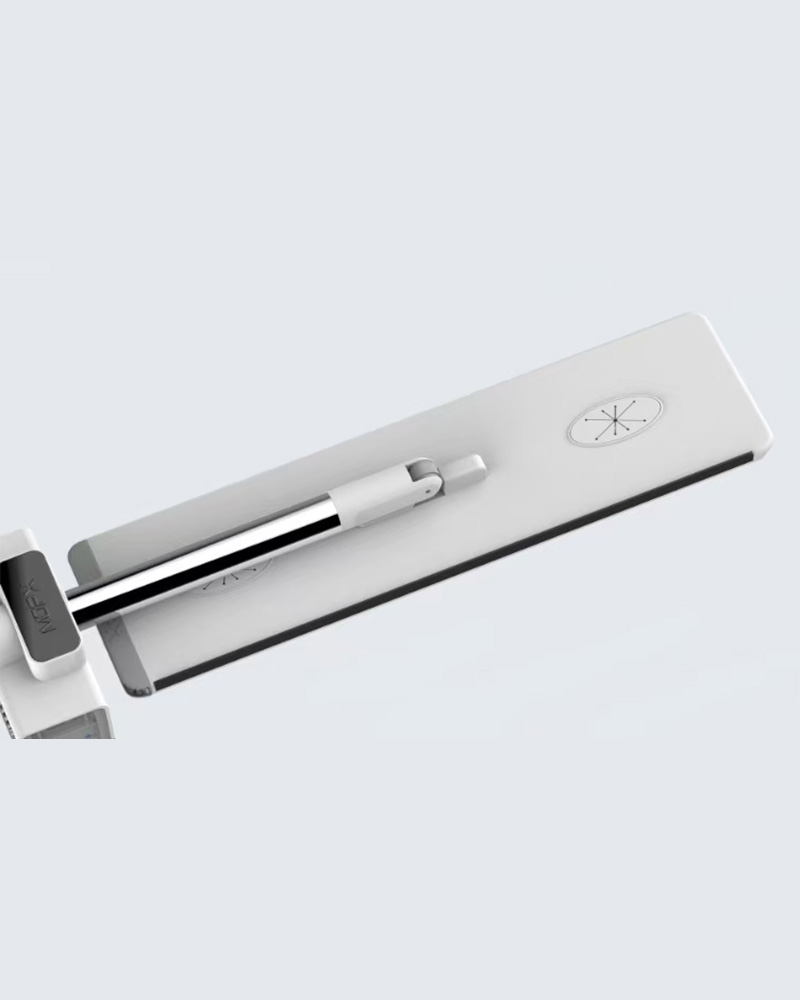 Floor Cleaning Mop Tool Mopx Flat MopDescribe The Floor Cleaning Mop Tool Mopx Flat Mop is a highly efficient and innovative cleaning tool, meticulously engineered to provide exceptional performance in bo...View Product →
Step 4: Wring Thoroughly and Mop in Sections
Dampen the pad, wring it out until it is no longer dripping, and mop a small section of about two to three square meters at a time. Rinse the pad when it becomes dirty, wring it again, and continue. A bucket system with hands-free washing makes this step faster and keeps your hands away from dirty water.
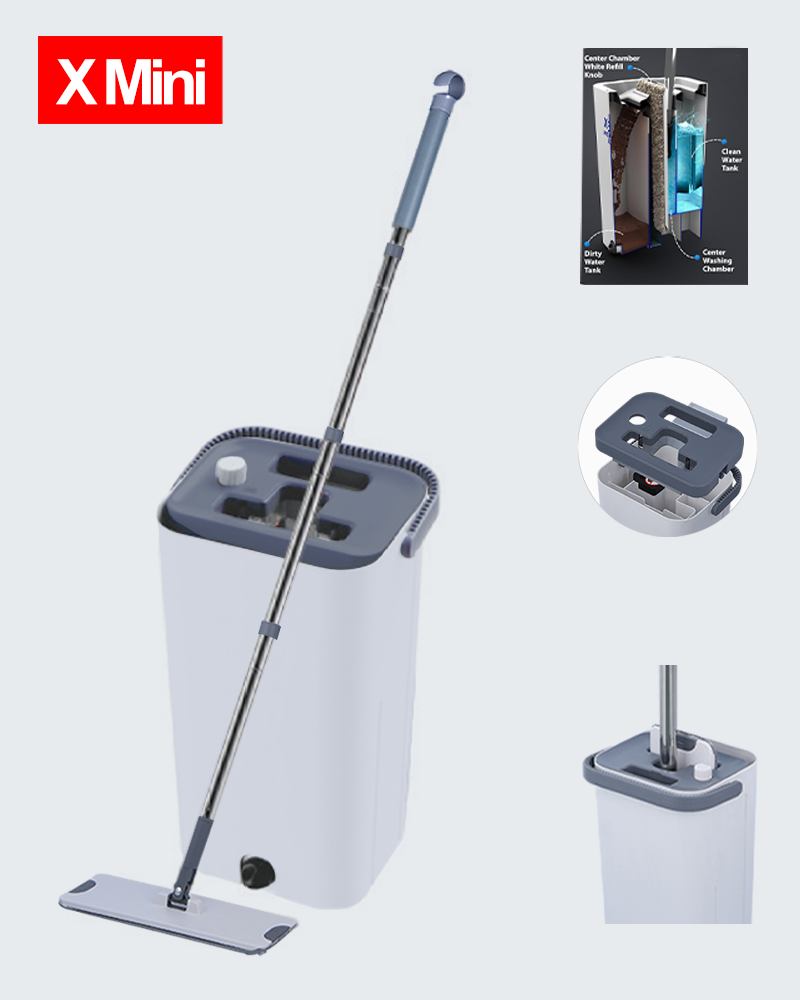
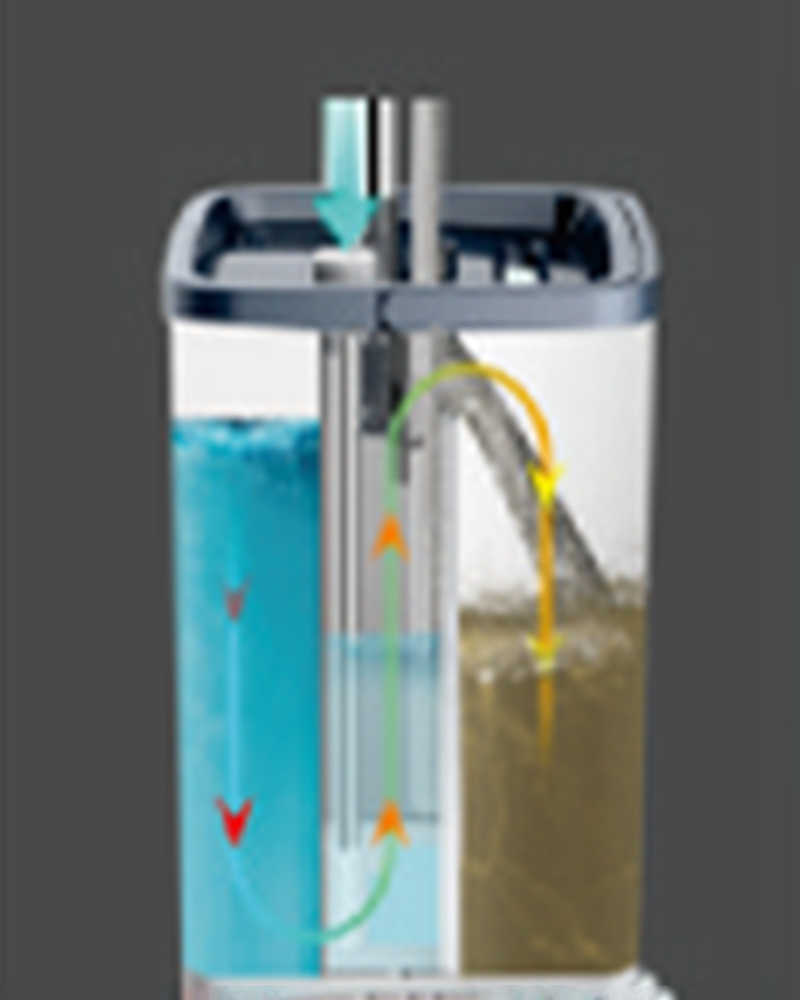 Hands Free Washing Mopx Flat Mop Bucket SetDescribe The Hands Free Washing Mopx Flat Mop Bucket Set offers an innovative cleaning solution designed for convenience and efficiency. This advanced set features a h...View Product →
Step 5: Let the Floor Dry Quickly
Good airflow dries a correctly damp-mopped LVP floor in a few minutes. Open a window or turn on a ceiling fan while you work. Keep foot traffic off the floor until the surface is completely dry, especially in entryways where shoes can track in new dirt on a wet surface.
Choosing a Mop and Bucket That Protect LVP
Not every mop is safe for vinyl plank, so look for three things: a flat head, a microfiber pad, and a wringing system that removes most of the water from the pad before it touches the floor.
| Mop type | Water left after wringing | Scratch risk | Ease of rinsing | Verdict for LVP |
|---|---|---|---|---|
| String mop | Very high | High | Low | Not recommended |
| Sponge mop | High | Medium | Medium | Use with caution |
| Spray mop | Low | Medium | Low | Acceptable |
| Flat microfiber mop with wringer bucket | Lowest | Low | High | Recommended |
The bucket matters just as much as the mop head. A single-bucket system forces you to rinse the pad in the same dirty water you are cleaning with, which spreads bacteria and leaves a thin film on the planks. A two-chamber bucket that keeps clean water separate from dirty water is the better choice for LVP, because every rinse comes from the clean side and the soiled water gets discarded at the end.
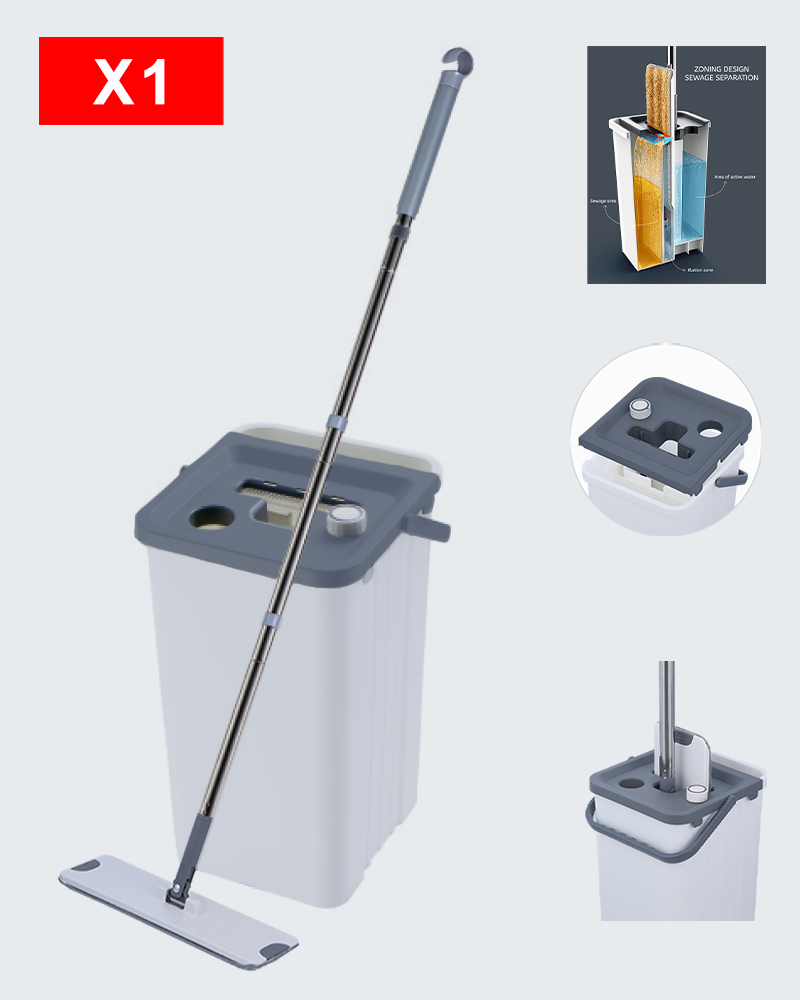
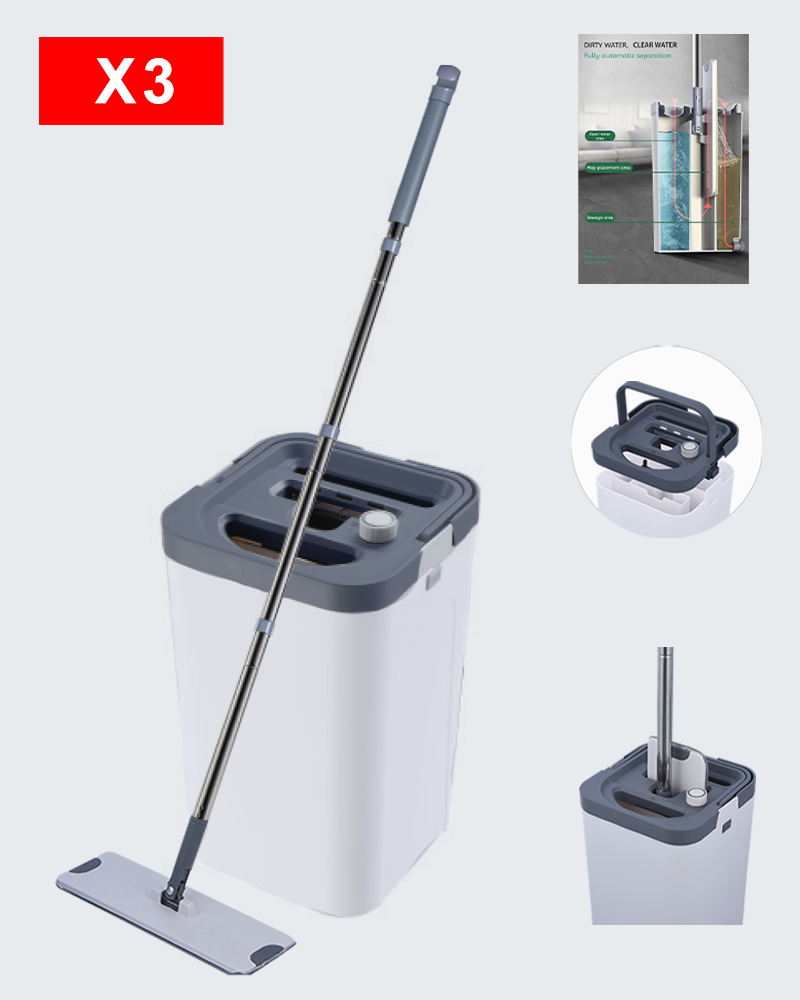
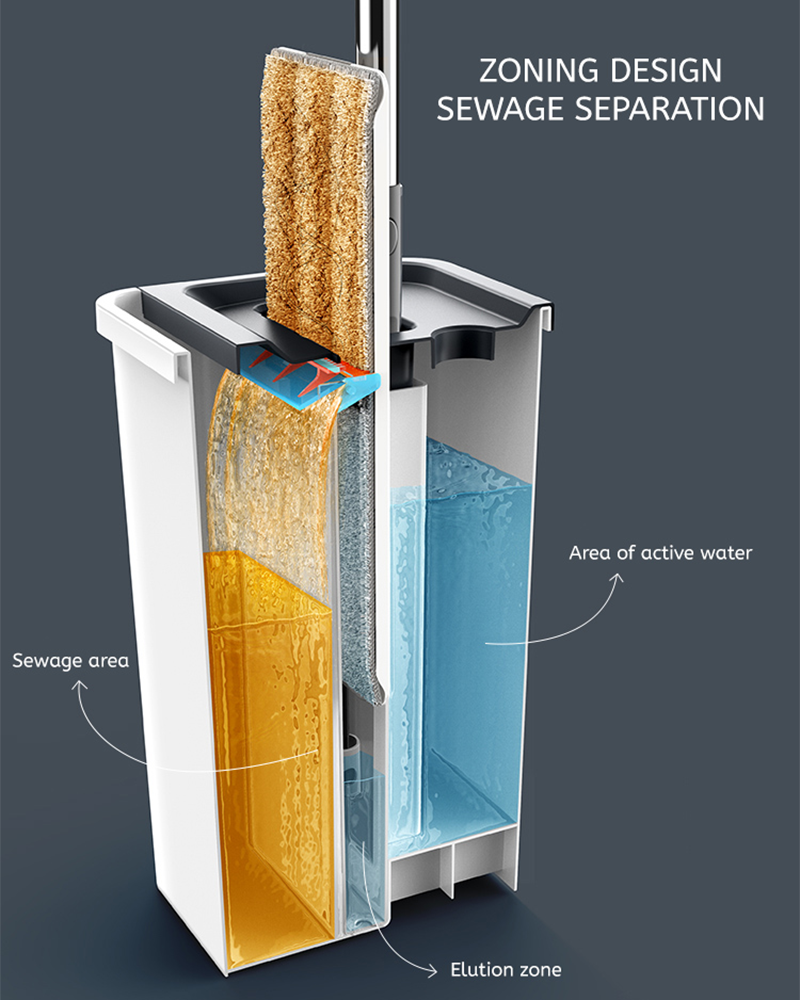 Clean And Dirty Water Separation Mop Bucket SetDescribe The Clean And Dirty Water Separation Mop Bucket Set is a cutting-edge floor cleaning solution designed to ensure maximum cleanliness and hygiene. With its adv...View Product →
The chart above shows typical water retention values for mop heads after wringing, measured in milliliters of water held by the mop. A string mop can hold more than three times as much water as a flat microfiber mop, which is why it is risky for LVP flooring. A sponge mop performs better than string but still leaves a noticeable amount of moisture near the edges of each pass. A spray mop delivers less water overall, yet its reservoir sits on the handle and saturation is harder to control. The lowest retention belongs to a flat mop combined with a press wringer, because the wringer actively squeezes the pad before it touches the floor. Lower water retention shortens drying time, reduces moisture at the seams, and lowers the chance of plank warping.
What to Avoid When Mopping LVP Flooring
Some tools and products appear harmless until they have caused visible damage. Use the list below as a quick reference when you are setting up your mopping routine.
| Tool or product | Risk level | Why it is harmful |
|---|---|---|
| Steam mop | High | Heat and moisture attack the seams and core |
| Vinegar as a routine cleaner | Medium | Acid slowly dulls the finish |
| Oil-based soap | Medium | Leaves a greasy film that attracts dirt |
| Wax or polish | High | Builds up and requires stripping |
| Abrasive scrub pad | High | Causes fine scratches in the wear layer |
| Wet string mop | High | Leaves standing water in the joints |
The radar comparison scores three mopping methods against five criteria that matter for LVP flooring: moisture control, scratch safety, cleaning power, rinsing ease, and time efficiency. A string mop scores poorly on moisture control and scratch safety because it releases too much water and drags grit across the planks. A spray mop performs better on moisture but lacks the rinsing ease of a full bucket system, and its pad saturation is hard to control. A flat mop with a separation bucket scores highest overall, with strong moisture control, a flat contact surface that reduces scratching, and a two-chamber structure that keeps rinse water clean. The score of 5 on rinsing ease reflects the fact that the pad can be pressed and squeezed without touching dirty water. When the goal is protecting the floor and saving time, the flat mop plus separation bucket combination is the safest choice for LVP.
How Often Should You Mop LVP Floors?
There is no single answer that works for every home, because traffic level determines how quickly soil builds up. Use the chart below as a general starting point, then adjust based on what you actually see on the floor.
This chart shows recommended mopping frequencies for LVP flooring based on household traffic levels. In a low-traffic home with one adult, mopping once a week keeps the finish clean without risking over-wetting. A medium-traffic household with a family of four usually needs two to three mopping sessions per week. Homes with children and pets generate more tracked-in dirt and demand four to five sessions. High-traffic entryways and commercial spaces may need daily damp wiping to prevent grime from bonding to the wear layer. The key point is that mopping frequency should follow the amount of traffic rather than a fixed calendar schedule.
What Mopping Mistakes Actually Cost
Mopping mistakes are not just cosmetic. A buckled plank has to be replaced, and replacement planks rarely match the existing floor because of dye lot differences. Repairing a small damaged section of LVP typically costs 150 to 400 dollars including the plank, adhesive, and labor. The hidden cost of a wet mop is waiting longer to walk on the floor, and the extra moisture can push the repair bill even higher.
The line chart illustrates how wringing efficiency controls the amount of water left on the floor after mopping. When the mop head is only lightly wrung, residual moisture reaches 55 ml per square meter and drying time climbs to more than ten minutes. As wringing efficiency improves to 90 percent, residual water drops to 5 ml per square meter and the floor dries in roughly one minute. This matters for LVP because the longer water sits on the surface, the more time it has to seep into the seams and soften the core. Most flooring manufacturers recommend keeping the surface dry within a few minutes after mopping. A well-wrung flat mop keeps residual moisture low and holds the drying curve in the safe zone, while a string mop pushes the floor deep into the danger area where seam intrusion becomes very likely.
Keep Your Flat Mop in Good Condition
A flat mop is only LVP-safe when the pad is clean and the bucket is rinsed after every use. Wash the microfiber pad after mopping and let it dry completely before the next session. Replace the pad when the fibers flatten, lose absorbency, or begin to smell, because a worn pad holds less water and simply pushes dirt across the floor instead of picking it up. This is why the best way to mop LVP flooring includes looking after your tools as carefully as you look after the floor itself. For a more detailed routine, follow our guide on how to properly clean and maintain a flat mop after use.
The best way to mop LVP flooring is not complicated: dry-clean first, use a damp microfiber flat mop with a pH-neutral cleaner, wring thoroughly, and avoid leaving the floor wet. Once this routine becomes automatic, your LVP planks will stay flat, streak-free, and scratch-free for years. If you are still using a string mop and a single bucket, switching to a flat mop system with a separation bucket is the single most effective change you can make. At MOP X, we design flat mops and bucket systems specifically for this kind of controlled wet cleaning, with clean and dirty water separation that suits LVP flooring perfectly.